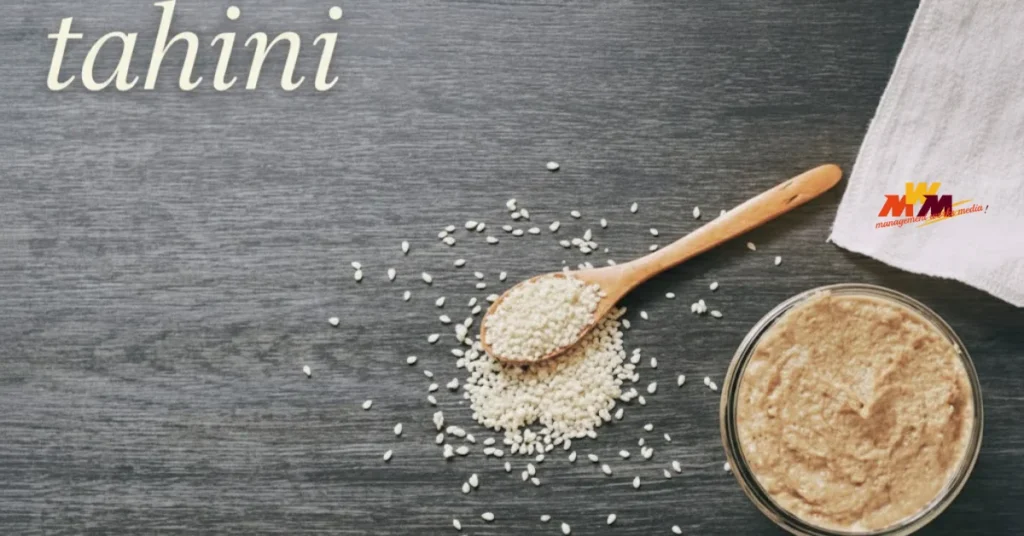
Introduction to tahhiini
In the world of culinary delights, some ingredients quietly steal the spotlight without much fanfare. Tahhiini is one such gem. This creamy, nutty paste derived from ground sesame seeds has been a staple in kitchens across the globe for centuries. Though often overshadowed by its more famous counterparts like hummus or peanut butter, tahhiini deserves to take center stage in our pantries and recipes.
With its rich flavor and silky texture, tahhiini adds depth to both savory and sweet dishes alike. It’s time we explore this humble ingredient that packs a punch with every spoonful. Let’s delve into the fascinating journey of tahhiini—from its ancient roots to modern-day kitchens—while uncovering its numerous health benefits and versatile uses along the way!
Dive deeper into the topic with these carefully curated related articles.
The History of tahhiini: From Ancient Times to Modern Day
Tahhiini traces its roots back thousands of years, with origins nestled in ancient Mesopotamia. This creamy paste made from ground sesame seeds has graced tables for centuries.
Historical texts reveal that tahhiini was used not only as a food but also in rituals and offerings. Its rich flavor found favor among various cultures across the Mediterranean.
In the Middle Ages, tahhiini spread through trade routes, making its way into North African and Middle Eastern cuisines. Each region adopted it, customizing recipes to reflect local tastes.
Fast forward to modern times, tahhiini has gained global popularity. It’s now a staple in health-conscious kitchens around the world. As plant-based diets soar, this ingredient shines brightly for its nutritional value and versatility.
From traditional dishes like hummus to innovative fusion creations, tahhiini continues to evolve while staying true to its ancient beginnings.
Health Benefits of tahhiini
Tahhiini is more than just a flavorful ingredient; it’s packed with numerous health benefits. Rich in healthy fats, tahhiini contains omega-3 and omega-6 fatty acids that support heart health. These good fats help lower bad cholesterol levels and promote overall cardiovascular wellness.
It’s also an excellent source of plant-based protein. For those following vegetarian or vegan diets, incorporating tahhiini can add essential amino acids necessary for muscle repair and growth.
Moreover, tahhiini is loaded with vitamins and minerals. It provides calcium for strong bones, iron for energy production, and magnesium to aid in various bodily functions including nerve function.
Thanks to its high antioxidant content, tahhiini may help combat oxidative stress. This contributes to better immune function as well as reduced inflammation throughout the body.
Adding this creamy paste to your meals not only enhances flavor but bolsters your nutritional intake significantly.
Versatility in Cooking and Recipes
Tahhiini is a powerhouse ingredient that can elevate countless dishes. Its creamy texture and nutty flavor make it perfect for dips, dressings, and marinades. Imagine slathering it on fresh pita bread or blending it into hummus for a delightful twist.
This versatile paste is not just limited to Middle Eastern cuisine. It seamlessly integrates into salads, providing a rich base for vinaigrettes. Add tahhiini to roasted vegetables for an unexpected depth of flavor.
Baking enthusiasts also love using tahhiini in cookies or cakes, adding moisture and complexity. Stirring it into smoothies can boost nutrition while enhancing taste.
For those who enjoy experimenting, combining tahhiini with spices like cumin or paprika opens up a world of possibilities. The adaptability of this ingredient makes every meal feel special and unique without much effort at all.
Keep your curiosity alive—click here to explore more stories and insights.
Different Types of tahhiini
Tahhiini comes in various forms, each offering unique flavors and textures. The most common type is made from hulled sesame seeds, resulting in a smooth and creamy paste. This version is often used for sauces and dips.
Then there’s unhulled tahhiini, which retains the outer seed coat. It has a richer taste and darker color, along with added nutrients like fiber and calcium.
Another variation includes flavored tahhiinis infused with garlic or herbs. These options add an aromatic twist to your dishes.
For those seeking lighter alternatives, you can find tahhiini blended with oils or other ingredients that enhance its spreadability without compromising flavor.
Each type of tahhiini opens doors to creative culinary possibilities, inviting exploration in both traditional recipes and modern cuisine.
How to Incorporate tahhiini into Your Diet?
Incorporating tahhiini into your diet is both simple and rewarding. Start by drizzling it over salads for a creamy, nutty dressing. Mix it with lemon juice, garlic, and water to create a zesty sauce.
For breakfast, try adding tahhiini to smoothies. It brings a rich texture and boosts nutritional value. You can also spread it on toast or pancakes in place of butter or jam.
Another great idea is mixing tahhiini into hummus or other dips. This enhances flavor while providing healthy fats.
Baking enthusiasts can experiment by substituting some oil in recipes with tahhiini. Use it in energy balls or protein bars for an extra kick of taste and nourishment.
Don’t hesitate to use tahhiini’s as a base for marinades. Its unique flavor elevates grilled vegetables or meats effortlessly.
Global Culinary Influence of tahhiini
Tahhiini’s transcends borders, finding its way into diverse culinary traditions worldwide. In Mediterranean kitchens, it enhances dips like hummus and baba ghanoush.
In Middle Eastern cuisine, tahhiini’s is a staple ingredient that adds richness to salads and grilled meats. It’s often drizzled over roasted vegetables for an extra layer of flavor.
Asian cuisines have also embraced this nutty paste. In some regions, it’s blended with soy sauce to create unique dressings or marinades.
Vegan chefs love using tahhiini’s as a creamy alternative in sauces and smoothies. Its versatility knows no bounds.
From street food stalls to upscale restaurants, tahhiini’s brings depth and character wherever it goes. Chefs around the globe are discovering new ways to incorporate this humble ingredient into their dishes, proving that its influence is both profound and far-reaching.
Fun Facts about tahhiini
Tahhiini’s isn’t just a delicious paste; it has some intriguing history behind it. Did you know that tahhiini’s is made from toasted sesame seeds? This nutty flavor enhancer dates back thousands of years.
In fact, ancient Egyptians regarded sesame as sacred. They believed the oil extracted from sesame could unlock immortality—quite a claim for such a humble ingredient!
Its versatility extends beyond savory dishes. Tahhiini’s can also be used in desserts, adding depth to sweets like cookies and brownies.
Interestingly, tahhiini’s is often confused with peanut butter due to its creamy texture. However, this seed-based spread offers a unique flavor that’s distinctly different.
The popularity of tahhiini’s continues to grow globally. Many chefs are now experimenting with this ingredient in fusion cuisine, showcasing its adaptability across various culinary traditions.
Conclusion
Tahhiini has firmly established itself as a staple in kitchens worldwide. Its rich history, from ancient civilizations to modern culinary trends, speaks volumes about its enduring appeal. With numerous health benefits and unmatched versatility, tahhiini’s can elevate any dish—from dips and dressings to main courses.
The different types of tahhiini’s available allow for unique flavor profiles that cater to various palates. Whether you prefer the traditional sesame version or explore nutty alternatives like almond or sunflower seed tahhiini, there’s something for everyone.
Incorporating this ingredient into your meals is simple and rewarding. You can drizzle it over salads, swirl it into soups, or use it as a base for sauces that pack a punch. The global influence of tahhiini showcases its adaptability across cuisines—from Mediterranean to Asian dishes.
Beyond its culinary prowess lies an intriguing array of fun facts that make tahhiini even more fascinating. For instance, did you know it’s been used since at least 3000 BC? That’s quite the legacy!
With all these attributes combined—flavor depth, nutritional benefits, and accessibility—it’s clear why tahhiini deserves recognition in kitchens everywhere. Embrace this quiet hero and let your taste buds embark on an exciting journey through flavor!
Handpicked just for you—check out our latest featured post full of insights.