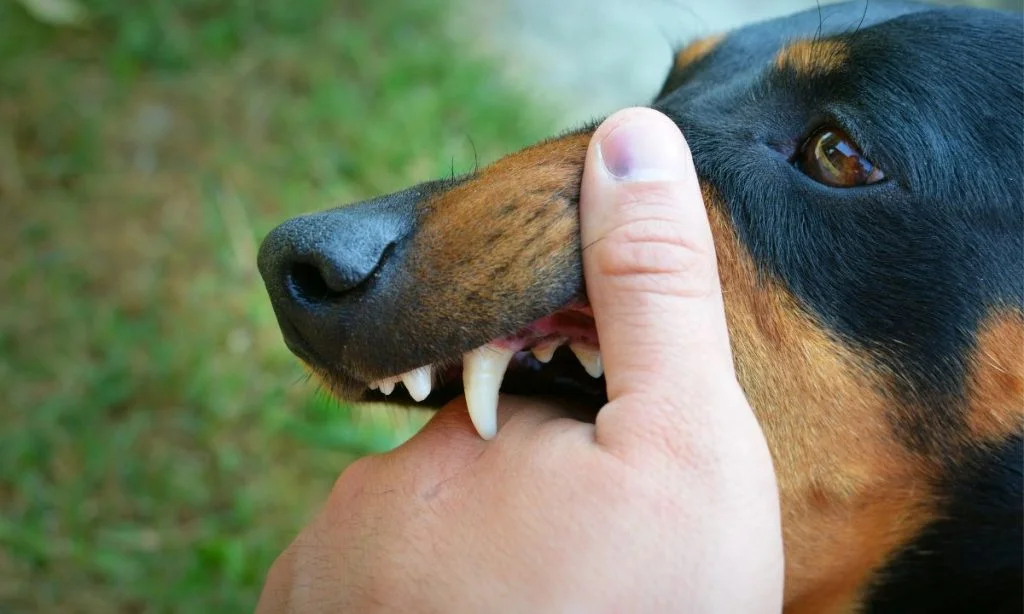
Austin is a city known for its outdoor lifestyle, dog-friendly parks, and strong sense of community. From neighborhood walks to crowded trails and patios, dogs are a common part of daily life for many residents.
While most interactions are harmless, dog bites still happen and can lead to serious physical injuries, emotional trauma, and unexpected medical expenses. If you or a loved one has been bitten, understanding how to pursue compensation under Texas law is essential, and an Austin dog bite attorney can play a key role in protecting your rights.
Understand Texas Dog Bite Laws
Texas does not have a single strict liability statute for dog bites like some other states. Instead, liability is often based on a combination of the “one-bite rule” and negligence principles. Under this approach, a dog owner may be held responsible if they knew—or should have known—that their dog had aggressive tendencies or a history of biting.
In addition, owners can be liable if they fail to act responsibly, such as allowing a dog to roam freely, violating leash laws, or failing to properly restrain the animal. Understanding which legal theory applies to your case is the foundation of seeking compensation.
Seek Medical Attention Immediately
After a dog bite, your health should always come first. Even bites that appear minor can lead to infections, nerve damage, or scarring if left untreated. Seeking prompt medical care also creates an official record of your injuries, which is critical when pursuing compensation.
Medical records help connect your injuries directly to the dog bite and document the severity of harm. Follow all treatment recommendations and attend follow-up appointments, as gaps in care can be used against you by insurance companies.
Report the Dog Bite Incident
Reporting the bite to local authorities or animal control is an important step. An official report helps establish when and where the incident occurred and identifies the dog and its owner. This documentation can also reveal whether the dog has a history of aggression or prior complaints.
In a city like Austin, animal control records can be valuable evidence when building a dog bite claim.
Gather Evidence to Support Your Claim
Strong evidence increases your chances of recovering fair compensation. Important evidence may include:
- Photos of your injuries and the location where the bite occurred
- Witness statements from anyone who saw the incident
- Medical records and bills
- Proof of lost wages if you missed work
- Records showing leash law violations or prior complaints about the dog
The more documentation you have, the harder it is for the dog owner or their insurer to deny responsibility.
Identify Available Insurance Coverage
In many dog bite cases, compensation comes from the dog owner’s homeowners or renters insurance policy. These policies often cover injuries caused by pets, though coverage limits and exclusions may apply. Understanding how to file a claim and negotiate with insurers is crucial, as they may try to minimize payouts or dispute liability.
If the dog owner does not have insurance, other legal options may still be available, depending on the circumstances of the bite.
Prove Damages Beyond Medical Bills
Compensation after a dog bite is not limited to medical expenses alone. You may also be entitled to damages for lost income, pain and suffering, emotional distress, scarring, and reduced quality of life. In cases involving children or severe injuries, future medical care and long-term emotional effects should also be considered.
Accurately calculating damages ensures you are not left covering costs caused by someone else’s negligence.
Why Legal Guidance Matters
Dog bite claims can be more complex than they initially appear, especially when liability is disputed. Legal guidance can help gather evidence, handle insurance negotiations, and ensure all deadlines are met under Texas law. This is particularly important when injuries are severe or when insurers refuse to offer fair compensation.
Key Takeaways
- Texas dog bite claims often rely on negligence and the dog owner’s prior knowledge of aggression.
- Seeking immediate medical care protects both your health and your claim.
- Reporting the bite creates official documentation that can support your case.
- Strong evidence, including photos and witness statements, is critical.
- Homeowners or renters insurance may cover dog bite injuries.
- Compensation can include medical costs, lost wages, and pain and suffering.