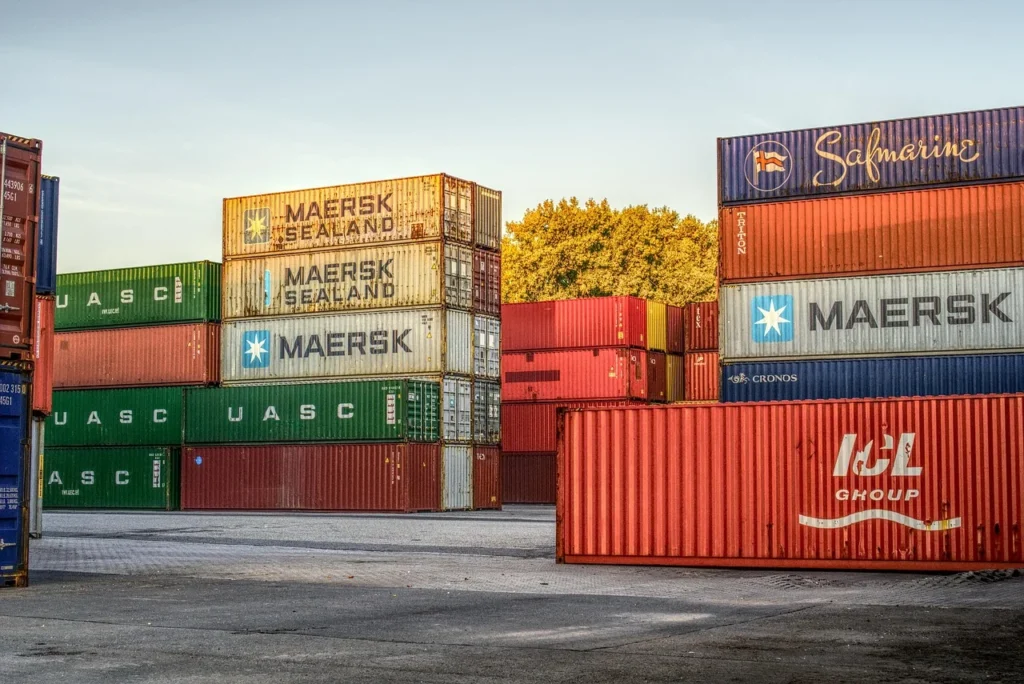
Off-cycle periods are often misunderstood in industrial environments. When equipment is not actively in use, it can appear stable and low-risk. In reality, downtime introduces a different set of challenges that can quietly affect machinery condition, readiness, and long-term value. Exposure to the elements, lack of structure, and improper placement during such periods often cause damage that only becomes visible once operations resume.
Modern industrial planning recognizes that idle time still requires active management. Equipment that sits without protection or organization is vulnerable to moisture, debris, accidental impact, and unauthorized access. Treating off-cycle periods as part of the equipment lifecycle rather than a pause in responsibility helps maintain operational continuity. Protection during downtime preserves functionality, reduces unexpected repairs, and supports smoother project restarts.
Temporary Housing
Idle machinery needs more than open space. It needs controlled placement that limits exposure and reduces risk. Leaving equipment outdoors or scattered across a site during downtime invites weather damage, accidental contact, and gradual deterioration. Secure temporary housing provides a defined environment that protects assets between operational cycles.
Using enclosed solutions creates consistency. Machinery stays dry, shielded from direct sun, and separated from unrelated site activity. This approach reduces variability in how equipment is stored and handled. Many operations find that the availability of storage containers for rent offers flexibility without long-term commitment. Containers allow equipment to be housed close to the worksite while still benefiting from controlled conditions. They also adapt easily to changing project timelines, making them a practical option during pauses or transitions.
Corrosion Control
Moisture is one of the most persistent threats during off-cycle periods. Even small amounts of humidity can lead to corrosion on exposed metal surfaces, electrical connections, and internal components. When equipment sits idle, moisture has more time to settle and interact with sensitive areas.
Protecting machinery from moisture buildup requires more than covering it with tarps. Controlled environments limit condensation and prevent water from pooling on surfaces. Corrosion control during downtime preserves component integrity and reduces the need for corrective maintenance later.
Weather Shielding
Weather exposure during downtime often causes cumulative damage rather than immediate failure. Sunlight can fade finishes and weaken protective coatings. Rain introduces moisture into joints and seams. Wind carries debris that can scratch surfaces or clog openings.
Providing shelter during off-cycle periods shields equipment from these elements. Weather protection keeps components in stable condition rather than subjecting them to repeated exposure cycles. As such, this reduces wear that would otherwise shorten equipment lifespan. Shielding assets from weather also improves predictability when operations restart, as equipment condition remains closer to its last active state.
Organized Placement
Unstructured storage increases the risk of accidental damage. When idle equipment is placed wherever space is available, it becomes vulnerable to collisions, stacking errors, and improper handling. This risk grows on active sites where vehicles and personnel continue working around stored assets.
Organized placement establishes clear boundaries and access points. Equipment is positioned intentionally, reducing the chance of contact or overlap. Proper organization also simplifies identification and retrieval. Operators know where each asset is stored and can access it without disruption. Structured placement during downtime supports both safety and efficiency when equipment is needed again.
Space Efficiency
Off-cycle periods often coincide with phased projects or temporary pauses. During these times, space becomes a valuable resource. Idle equipment can quickly consume working areas if not managed properly, limiting flexibility for ongoing tasks.
Efficient storage solutions consolidate machinery into defined zones, as this frees up operational space while keeping assets accessible. Space efficiency improves workflow for remaining activities and reduces congestion. Planning for space use during downtime helps maintain site order and supports smoother transitions between project phases.
Dust Protection
Dust and airborne debris pose a serious risk to idle industrial equipment. During active operations, moving parts and airflow can limit buildup. If machinery sits unused, fine particles settle into vents, housings, seals, and electrical compartments. Over time, this accumulation interferes with tolerances and airflow, leading to friction and heat once the equipment restarts.
Protective storage during downtime limits exposure to dust generated by nearby work or environmental conditions. Enclosed or covered environments keep sensitive areas clean and reduce the need for intensive cleaning later. Dust protection preserves component integrity and shortens the ramp-up time when machinery returns to service.
Equipment Separation
Defined separation between active and inactive equipment reduces confusion and risk. If idle machinery sits alongside operational assets, it becomes easier for personnel to misuse, move, or power equipment unintentionally. This overlap increases the chance of damage or safety incidents.
Designating distinct zones for inactive equipment creates clarity. Operators know which assets are off-cycle and which are ready for use. Separation supports better site discipline and reduces accidental engagement. During restarts, this organization also helps teams bring equipment back online methodically rather than reactively.
Maintenance Staging
Off-cycle periods present a valuable window for maintenance staging. With equipment out of production, inspections, adjustments, and minor repairs can be completed without pressure. This staging prevents downtime from turning into lost productivity later.
Structured storage allows maintenance teams to access equipment safely and efficiently. Tools, parts, and documentation stay organized around staged assets. Tackling issues during downtime improves reliability and reduces the risk of surprise failures when operations resume. Maintenance staging turns idle time into a productive phase of the equipment lifecycle.
Vibration Protection
Even when not operating, equipment can experience vibration from nearby activity, vehicle traffic, or environmental factors. Sensitive components such as sensors, bearings, and control elements are particularly affected by repeated low-level vibration.
Protective placement and stabilization limit unnecessary movement. Securing equipment during storage prevents gradual loosening of components and alignment changes. Vibration protection preserves calibration and mechanical integrity, supporting smoother restarts and reducing the need for recalibration.
Access Control
Unauthorized access during downtime introduces multiple risks. Untrained handling, unauthorized modifications, or parts removal can compromise equipment condition and safety. Idle periods often coincide with reduced supervision, increasing vulnerability.
Controlled storage environments limit access to authorized personnel only. Locking mechanisms, clear signage, and designated access points discourage interference. Strong access control protects equipment condition and maintains accountability across teams.
Condition Monitoring
Monitoring equipment condition during off-cycle periods helps teams stay informed without constant hands-on checks. Visual inspections, tagging systems, and documentation keep track of storage duration, maintenance status, and readiness.
Organized storage simplifies monitoring. Equipment condition remains visible and accessible rather than hidden or scattered. This visibility supports informed decisions about deployment timing and maintenance priorities. Monitoring during downtime prevents uncertainty when operations restart.
Industrial equipment protection does not pause during off-cycle periods. In many cases, downtime presents greater risk than active use due to exposure, disorganization, and lack of oversight. Secure housing, moisture control, weather shielding, organized placement, and disciplined access all play critical roles in preserving asset condition.