
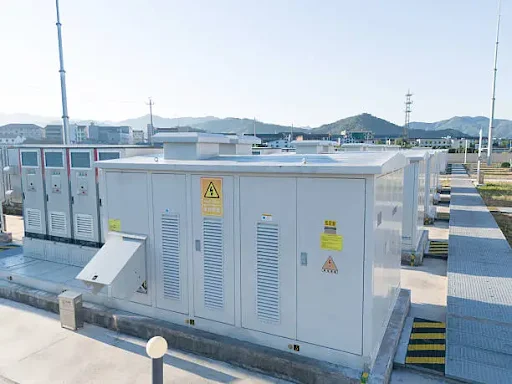
In the rapidly altering landscape of the renewable energy sector, solar battery storage solutions have crystallized into a necessary investment for the commercial and industrial domains. With an increasing number of B2B companies focused on decreasing operational expenses, guaranteeing energy reliability, and fulfilling sustainability objectives, the importance of selecting the appropriate battery energy storage system suppliers has reached a new high. The right partner can help optimize energy strategies and improve the performance of long-term implementations.
This guide analyzes how B2B firms can review their operational and sustainability objectives with potential suppliers to pick trustworthy suppliers to their operational and sustainability frameworks.
The Importance of Battery Energy Storage Systems
Battery energy storage systems (BESS) are modern energy management essentials. They capture excess renewable energy and store electricity. They are then able to release the stored energy to the grid during peak demand hours. For businesses, these systems allow for the following:
- Energy cost savings through effective peak load management.
- Enhanced energy reliability during grid instabilities.
- Improved sustainability by increasing the use of renewable energy.
- Revenue generation through energy arbitrage and participation in demand response programs.
Solar battery storage solutions allow operational consistency and energy waste mitigation for the energy-intensive industries like manufacturing, logistics, data centers. The reliability and quality of these benefits closely depend on the technical capability and service structure of the suppliers.
Evaluating Expertise and Technical Capabilities
Evaluating Battery Energy Storage Systems suppliers involves assessing technical competence. A capable supplier will offer integrated Design, Engineering, and Systems Implementation aligned with your business model.
Here’s how to assess the supplier:
- Engineering Excellence: Understand system design, battery chemistry (lithium-ion, sodium-ion, flow batteries), power conversion systems, and interfacing with existing infrastructure.* Project Experience: Check for case studies or portfolios showing successful installations in industrial or commercial settings. Suppliers who have had successful large-scale B2B deployments will have a better understanding of potential technical problems that may arise.
- Energy Management Systems (EMS): For the refinement of energy performance, sophisticated EMS is needed. A key component is software that provides real-time monitoring, predictive maintenance, and other tools for smart, analytic energy management.
- Compliance and Standards: Ensure that safety and reliability is proving ascertained by having their products and systems comply with and attain worldwide standards even to the extent of IEC, UL, or other ISO certification.
The technical capacity of a system is a constituent of its overall efficiency and the potential for how much more valuable it can become with your business expansion.
Assessing Customization and Scalability Options
Energy requirements can be distinct to each business. For instance, a 24-hour operational logistics center will have significantly different energy needs than a commercial building or a manufacturing facility as solar battery storage solutions will require a high degree of flexibility and adaptability.
While looking at vendors, you can value their offerings by:
- Modular System Design: Good suppliers will provide scalable systems to accommodate the anticipated growth of your business. Modular systems will provide the flexibility to add more capacity and systems easily.
- Tailored Configurations: Suppliers should be able to personalize systems around given load profiles, renewable generation availability, and operational needs.
- Integration Compatibility: Check if the supplier’s solutions can connect with your solar panels, grid connections, and energy management systems.
- Future-Proofing: The energy supply system is dynamic, and suppliers with strong R&D capabilities and innovative battery chemistry and management systems will help you maintain your competitive edge.
For B2B operations planning multi-site deployments or phased renewable energy projects, scalability and customization become critical.
Evaluating After-Sales Support and Service
For most energy storage system suppliers, after-sales support is an important selection criteria and is often under-evaluated or valued too little, which in turn impacts the return on your energy storage investment.
Look for:
- Maintenance Program: Regular system reliability preventative maintenance is crucial. Inquire if the supplier will undertake regular inspections, software updates, and component tests.
- Remote Monitoring and Diagnostics: Many modern suppliers provide system 24/7 monitoring with automated alerts where performance monitoring detects system faults.
- Policy for Warranties and Replacements: Check the performance and product warranty terms. Most suppliers provide 5-10 year warranties; however, a longer warranty indicates confidence in the system.
- Training and Technical Support: Good suppliers will train your facility or maintenance team to resolve minor operational issues which, in turn, helps to facilitate day-to-day management.
In specific B2B areas where system downtimes can result in losses, uninterrupted assistance, and fast response rates must be guaranteed.
Assessing Prices, Comparing Values, and Evaluating Annual Economic Benefit
Businesses should calculate total cost of ownership (TCO) instead of evaluating just the price. Comparing purchasing options of a prospective vendor should include more net present value (NPV) variables, not just the proposed price.
Some cost values include the following:
- The higher value for the initial input, net positive economic value, and the estimated optimal life of the system or equipment at an annual value (TCO) will increase overall system effective life.
- Values of the system will be higher and positive values of annual cost savings and outside purchasing utility will provide net positive values increases.
- Reduction in operational cost will be significant.
- The system financing options provide net cost reduction or low direct ciliary egress.
In the end, having the right supplier must create a comfy middle ground with competitive pricing, balance and energy savings optimal.
Building a Strategic Partnership for Sustainable Growth
The selection of battery energy storage system suppliers goes beyond a simple procurement decision and manifests itself as a partnership defining the energy future of a business. In addition to assessing the technology offered, consider the suppliers alignment to your business sustainability objectives and their growth potential.
A good partner should:
- Engage in collaborative long-term energy planning.
- Tailor responses to shifts in regulations and technology.
- Provide information on upcoming renewable opportunities.
- Deliver reports on sustainability-related performance.
Investments in solar battery storage solutions go a long way in boosting operational efficiency of business, and more importantly, aid in the achievement of sustainability and carbon neutrality goals. For these businesses, the new partner is also the supplier of the infrastructure to ensure energy resilience, efficiency, and integrated future-ready solutions.
In conclusion, for enterprises in the B2B space, the renewable energy transition is essential, and not optional. The importance of solar battery storage solutions in this transition and the resulting operational efficiency of a business, emphasize the need for trusted and innovative partner organizations. In the selection of battery energy storage system suppliers, ensure prioritization of technical competence, adaptability, scalability, after sales support, and fulfillment of long-term potential from a business perspective.
With the selection of the right suppliers, a business can enjoy economic and environmental value and position itself to reap the benefits of sustainable energy.
Go beyond the basics—explore more ideas crafted just for you at Management Works Media.