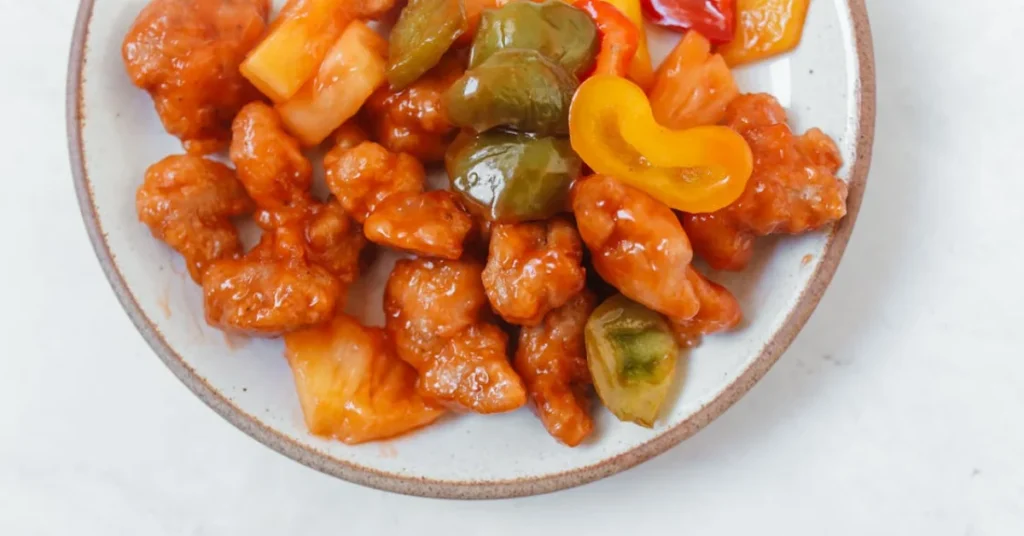
Velveting transforms everyday proteins into exceptionally tender, silky ingredients that elevate simple dishes into memorable meals. Cooks rely on it because the method creates predictable results that no shortcut can match. The technique works through targeted hydration, controlled coating, and brief pre-cooking that stabilizes delicate fibers. This combination produces a smooth texture that stays intact under high heat. Many home cooks chase restaurant-style tenderness, yet few realize that velveting provides that exact advantage. A closer look at the science behind this method reveals why it performs so reliably. Each step influences structure, moisture, and flavor in ways that kitchens value.
1. Protein Structure and the Need for Controlled Softening
Proteins tighten rapidly when cooks expose them to direct high heat. These fibers contract and release moisture, which creates dryness and toughness. Velveting interrupts that reaction by coating the surface and limiting direct heat exposure. The coating shields fragile fibers and slows contraction while holding moisture inside. This controlled softening helps proteins keep their shape during fast cooking. Cooks appreciate how this method preserves juiciness without altering flavor. The science rests on managing reactions that usually occur too quickly. Velveting creates a buffer zone that stabilizes proteins and prepares them for intense searing.
2. How Coatings Interact With Moisture to Create Silky Surfaces
Chefs rely on velveting because the method balances moisture distribution with surface control. The coating traps a thin layer of hydration that steadies the texture as heat rises. Starch and mild alkaline agents bind lightly with water and proteins, which limits uneven tightening. This interaction creates the signature silky feel that diners love. Many cooks explore variations, yet they follow the same principles because consistency matters in fast-cooking environments. Curious home cooks often ask how to velvet chicken for stir fry, and the answer always returns to moisture control. The coating steps regulate reactions that would otherwise create dryness.
3. Heat Management and Its Direct Influence on Tenderness
Heat moves quickly through protein fibers, so cooks manage that energy with extreme precision. Velveting sets the stage for this by preparing the surface to handle sudden temperature shifts. When the prepared meat enters hot oil or water, the coating reacts first. It absorbs the initial shock and delays fiber tightening long enough to secure tenderness. This moment matters because uncontrolled heat strips moisture almost instantly. By guiding how heat enters the protein, velveting gives cooks full control over texture. This balance produces reliable silky results, even during rapid stir-frying that often challenges less prepared ingredients.
4. Ingredient Ratios and Their Measurable Effect on Results
Small adjustments in cornstarch, vinegar, egg white, or baking soda change how proteins respond during velveting. Cooks measure ratios carefully because each ingredient affects hydration, pH, and structural stability. A slight excess of starch produces a gummy surface, while too little fails to protect fibers. Balanced ratios create the ideal slip and cushion that define successful velveting. These components strengthen weak spots without overwhelming natural flavors. Cooks treat the mixture like a precision tool rather than a simple marinade. When they adjust ingredients with purpose, they influence tenderness, resilience, and moisture in predictable, repeatable ways that define great technique.
5. Muscle Fiber Behavior During Short Pre-Cooking Stages
The brief blanching or oil-poaching stage activates surface bonding while keeping inner fibers relaxed. This quick step sets the coating and prepares proteins for final cooking. It steadies the structure so fibers maintain their integrity during aggressive stir-frying. The controlled exposure to heat shapes the final texture because fibers tighten only after the coating locks into place. This sequence supports moisture retention and smoothness. Every second counts because prolonged heat disrupts the balance that velveting creates. When executed correctly, the pre-cook primes proteins for flawless performance in high-heat dishes that demand precision and tenderness.
6. The Role of pH Adjustment in Tenderizing Proteins
Cooks adjust pH with mild agents because these ingredients loosen tight muscle bonds. This loosening effect supports smoother textures and quicker absorption of protective coatings. Baking soda often plays this role, and skilled cooks measure it with care to avoid harsh flavors. The slight shift in pH encourages fibers to relax before heat enters the process. This relaxation allows coatings to cling evenly and perform effectively. When cooks balance pH correctly, they guide tenderness with remarkable accuracy. The science works because proteins respond instantly to controlled chemical changes that support the velveting sequence and strengthen final results.
7. How Marinade Time Shapes Texture and Flavor Development
Marinade time determines how well the mixture conditions the protein. Short periods encourage hydration without overwhelming the natural flavor. Longer periods create deeper structural changes that soften fibers more aggressively. Cooks choose timing based on protein type, thickness, and desired texture. They watch the clock closely because every minute influences the final outcome. A balanced marinade coats evenly, supports moisture retention, and prepares the surface for heat. When cooks control this timing, they create a silky mouthfeel without losing firmness. The relationship between time and structure defines the success of velveting and shapes every bite.
8. Texture Retention During High-Heat Stir-Frying
Stir-frying challenges proteins because intense heat strikes quickly. Velveting prepares the surface to handle that energy without toughening or drying. When the protein hits the pan, the coating guides heat distribution and shields delicate fibers. This control keeps moisture inside and maintains structure throughout the rapid cooking cycle. Cooks move the protein constantly to distribute heat and promote even browning. The coating supports these movements by preventing sticking and tearing. Every second of stirring strengthens the final texture because the preparation stages work together. Velveting ensures that proteins stay silky while gaining flavor from high heat. Velveting succeeds because each step influences structure, moisture, and flavor with clear intention. The method creates silky, tender proteins that handle high heat without losing integrity. Careful ratios, controlled heat, and strategic preparation allow cooks to shape texture with remarkable confidence. This technique empowers home kitchens and professional settings alike because it works predictably and honors natural flavors. By understanding the science behind velveting, cooks gain a powerful tool that elevates simple ingredients and transforms everyday dishes into smooth, flavorful meals that impress every time.