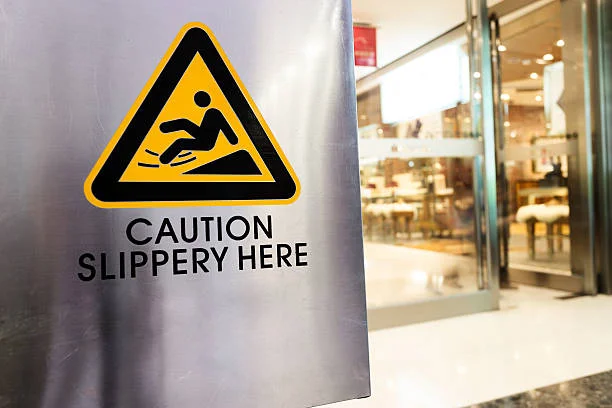
Retail stores are busy places with constant movement and tight spaces. Sharp objects and rushed tasks can quickly turn routine work into an injury Retail Safety. Many cases handled by a Denver personal injury law firm begin with a cut or puncture that should have been preventable.
Why Cuts and Punctures Are Common in Retail
Retail environments are filled with boxes, tools, and shelving. Employees and customers interact with these items all day. Minor hazards can easily go unnoticed.
High traffic increases risk. When people rush, attention drops. That is when accidents happen.
The Hidden Dangers on Store Floors
Broken glass is one of the most obvious hazards. Spilled products and dropped items can shatter without warning. Cleanup delays increase injury risk.
It is not only glass, either. Stocking often leaves behind sharp little bits of plastic, torn packaging, or even thin metal pieces from bands and fixtures. Those scraps are easy to miss, and they can stick around until someone’s shoe or hand finds them.
Box Cutters and Stocking Tools
Box cutters are essential but dangerous. Dull blades require more force, increasing the risk of slipping. Improper storage adds another layer of risk Retail Safety.
Other stocking tools can cause punctures. Hooks, blades, and fasteners are often left exposed. Safe handling practices matter.
Discover insights that connect the dots—this related read adds real value.
Improperly Stored Merchandise
Items stored at odd angles create sharp edges. Overloaded shelves may bend or break packaging. This exposes hidden hazards.
Heavy items can shift unexpectedly. Falling merchandise may cause puncture wounds. Secure placement prevents these incidents.
The Role of Poor Lighting
Dim lighting hides hazards. Sharp objects blend into shadows. Employees and customers cannot avoid what they cannot see.
Stockrooms are especially vulnerable. Temporary lighting setups worsen visibility. Adequate lighting reduces injury rates.
Personal Protective Equipment in Retail
Gloves can make a big difference when you are handling boxes, broken packaging, or sharp products. Not every pair of gloves protects the same way Retail Safety, and thin disposable ones are not always enough. Picking gloves that match the task helps prevent cuts that happen in a split second.
Employees should use protective gear consistently. Occasional use is not enough. Safety habits must be routine.
Training Makes a Real Difference
Retail safety is not something people remember from one quick orientation. When things get busy, old habits take over. Regular reminders and short refreshers help keep safety top of mind.
Training should cover hazard recognition. Employees need to know what to watch for. Clear guidance empowers safer behavior.
Safe Stocking and Unpacking Practices
A lot of cuts happen during unpacking because it feels like the fastest part of the job. Slow down just enough to open boxes with control, and always cut away from yourself and your other hand. When you rush, that blade can slip in a heartbeat.
Work surfaces should be stable. Boxes placed on uneven ground shift unexpectedly. The organization supports safety.
Customer Safety Considerations
Shoppers are exposed to the same hazards, but they are not thinking about them. Kids grab at items on low shelves, and they will touch anything that looks interesting. Sharp packaging edges or broken pieces can cut someone before a parent even notices.
Clear aisles reduce accidents. Temporary displays should not obstruct walkways. Store layout matters.
Maintenance and Inspection Routines
Regular inspections catch hazards early. Floors, shelves, and tools should be checked daily. Minor fixes prevent big injuries.
Maintenance logs help track issues. Documentation ensures accountability. Consistency is key.
How Time Pressure Increases Risk
Retail workers often work under tight deadlines. Speed becomes the priority. Safety slips down the list.
Managers can help by setting a pace that values doing it right, not just doing it quickly. Rushing leads to slips, dropped items, and careless tool use. Clear priorities and realistic deadlines protect both staff and customers.
The Importance of Immediate Cleanup
Hazards should be addressed right away. Leaving sharp debris, even briefly, increases the risk. Quick response prevents injuries.
Cleanup supplies should be accessible. Waiting for tools wastes time. Preparedness matters.
Reporting Hazards Without Fear
Employees must feel safe reporting issues. Fear of blame discourages honesty. Open communication saves time and health.
Cleanup should also be easy to start the moment it is needed. If brooms, gloves, and disposal bins are hard to find, people delay, and the hazard sits there longer. Having supplies close by makes the safe choice the simple choice.
When Cuts and Punctures Become Serious
Minor wounds can turn into significant issues. Infection risk is real. Some injuries require stitches or surgery.
Lost work time adds stress. Medical bills accumulate quickly. Prevention saves more than pain.
Legal Responsibilities of Retail Stores
Retail stores are expected to keep the space reasonably safe for everyone inside. That includes employees working the floor and customers shopping the aisles. When hazards are ignored or left unaddressed, the store can be held responsible.
Safety policies should be enforced consistently. Ignoring known hazards is risky. Responsibility cannot be avoided.
Learning From Past Incidents
Every injury offers a lesson. Reviewing what went wrong improves future safety. Patterns often emerge.
Adjustments should follow incidents. Training and layout changes reduce the risk of repeat injuries. Improvement is ongoing.
Final Thoughts
Cuts and punctures in retail stores are often preventable with awareness and planning. Small changes reduce significant risks for workers and customers Retail Safety. A Denver personal injury law firm often sees what happens when safety is ignored.
There’s more waiting for you—explore deeper ideas, tips, and inspiration.