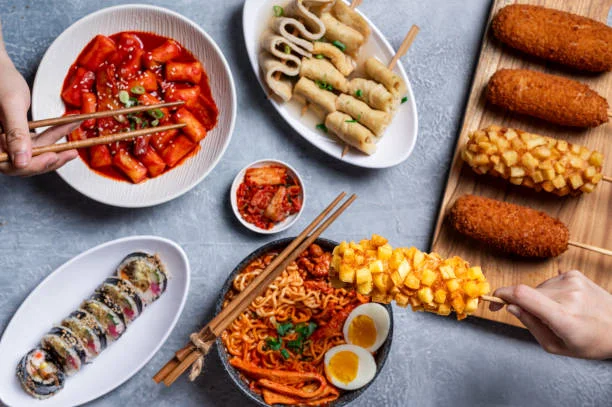
Korean cuisine is often described as bold, comforting, and deeply rooted in tradition. What truly sets it apart, however, is the way food reflects everyday life in Korea. Meals are not rushed, and they are rarely eaten alone. Instead, food is a shared experience—one that brings people together through conversation, warmth, and carefully prepared dishes.
A typical Korean meal is built around balance. Rice, soup, and a variety of small side dishes form the foundation. These side dishes, known as banchan, change with the seasons and showcase a wide range of flavors, from lightly seasoned vegetables to fermented staples. Each element plays its own role, creating harmony rather than competition on the table.
Seafood has always been an important part of Korean cooking, especially in regions close to the coast. Fresh fish, shellfish, and seaweed are used in many traditional recipes, offering clean flavors and nutritional value. For diners who enjoy exploring ocean-inspired dishes, discovering Korean seafood to try in Abu Dhabi can be a great way to experience this side of Korean cuisine without traveling far. Dishes often focus on freshness and simplicity, allowing the natural taste of the ingredients to shine.
Fermentation is another defining feature of Korean food culture. Kimchi, soybean paste, and fermented sauces add depth and complexity to meals. These ingredients are not just flavor enhancers; they are deeply tied to history and preservation methods developed long before refrigeration. Even today, many families continue to make fermented foods at home, maintaining a strong connection to tradition.
Korean dining is also known for its interactive elements. Barbecue meals, for example, involve cooking meat at the table, turning dinner into a shared activity rather than a passive experience. This style of dining encourages conversation and creates a relaxed, social atmosphere. It’s one of the reasons Korean restaurants are often chosen for group gatherings and celebrations.
Soups and stews hold a special place in Korean cuisine. Served hot and rich in flavor, they are designed to comfort and restore. Whether it’s a spicy stew on a cool evening or a lighter soup enjoyed with rice, these dishes are valued for their ability to nourish both body and mind. They are often enjoyed slowly, reinforcing the idea that meals are meant to be savored.
Street food offers a glimpse into everyday Korean life. Simple dishes like savory pancakes, rice cakes in spicy sauce, or skewered fish cakes are popular snacks enjoyed by people of all ages. These foods are quick, affordable, and deeply nostalgic for many Koreans. Despite their simplicity, they carry strong cultural significance and remain a beloved part of Korean food culture.
Modern Korean cuisine continues to evolve while respecting its roots. Chefs experiment with presentation and ingredients, adapting traditional recipes for contemporary tastes. This balance between innovation and tradition allows Korean food to remain relevant and exciting without losing its identity. It also makes Korean restaurants appealing to both first-time diners and long-time fans.
Dining at a Korean restaurant is about more than just eating. It’s about atmosphere, hospitality, and attention to detail. From the way dishes are presented to how servers guide guests through the meal, the experience is designed to feel welcoming and authentic. Many diners seek to experience the authentic Korean dining style because it offers something deeper than flavor alone—it provides a sense of connection to culture and tradition.
Korean cuisine invites people to slow down and enjoy food as a shared ritual. It celebrates balance, freshness, and thoughtful preparation. Whether you’re drawn to seafood, comforting stews, or the social energy of table-side dining, Korean food offers a rich and rewarding experience.
In a world where meals are often rushed, Korean cuisine serves as a reminder that food is not just fuel. It is a way to connect, to share, and to appreciate the moment. And that is what makes it truly special.