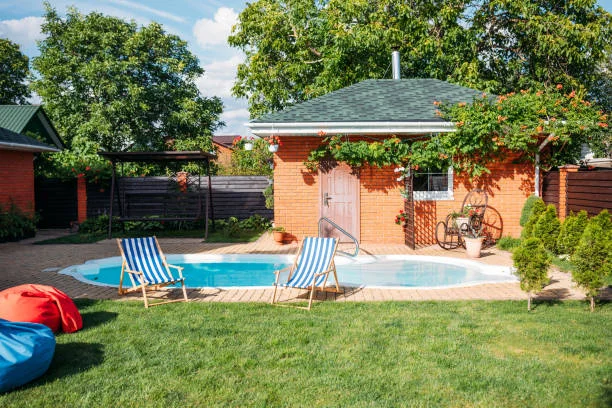
Backyard transformations have taken on new meaning. Small pool houses emerge as game-changing additions that maximize space while delivering functionality Small pool house. These compact structures redefine outdoor living without overwhelming budgets or property lines.
The Appeal of Compact Pool Structures
Modern homeowners seek practical solutions for limited outdoor space. A small pool house addresses multiple needs simultaneously.
Understanding Pool House Basics
A small pool house typically spans between 100 and 400 square feet. These structures serve various purposes:
- Storage for pool equipment and chemicals
- Changing rooms with privacy
- Entertainment spaces for gatherings
- Guest quarters for overnight visitors
The versatility sets them apart. Unlike massive outdoor buildings, small swimming pool house designs complement existing spaces rather than dominating them.
Discover insightful articles that deepen your understanding—click to explore more!
Space Efficiency Benefits
Compact designs offer unexpected advantages. Construction costs remain manageable. Maintenance becomes simpler. Permit processes move faster through municipal approval systems.
Energy consumption stays minimal year-round. Heating and cooling small spaces requires less power. This efficiency makes extended use financially practical across all seasons.
Planning Your Pool House Project
Strategic planning determines project success. Each decision impacts functionality and aesthetics significantly.
Defining Essential Functions
Purpose drives design decisions. Most successful small pool house designs focus on two primary functions rather than attempting everything.
Popular combinations include:
- Storage paired with changing areas
- Entertainment spaces with basic kitchen facilities
- Equipment housing combined with guest seating
This focused approach prevents cramped feelings while ensuring optimal space utilization. Each area serves its intended purpose effectively.
Maximizing Limited Space
Vertical storage transforms small footprints. Wall-mounted systems keep floor areas clear. Tall cabinets reach ceiling heights. Ceiling-hung equipment creates additional room below.
Multi-purpose furniture adapts to changing needs. Benches incorporate built-in storage compartments. Fold-down tables appear when needed, disappear when not. These flexible elements make spaces feel larger and more functional.
Traffic flow requires careful consideration. Wide doorways prevent bottlenecks. Clear sight lines create spacious feelings. Strategic mirror placement reflects natural light while creating depth illusions.
Creating Indoor-Outdoor Connections
The most effective small pool house designs blur interior-exterior boundaries. Large windows flood spaces with natural light. French doors open completely to pool areas. Retractable walls eliminate barriers entirely during pleasant weather.
Material continuity strengthens this connection. Similar colors, textures, and architectural details from the main houses help pool structures feel like natural extensions. Stone accents, matching siding, or complementary rooflines create visual harmony.
Design Elements and Construction
Implementation choices determine final outcomes. Each element contributes to overall success.
Structural Options
Several approaches work well for small pool house construction. Selection depends on budget, timeline, and customization needs:
- Prefab shed kits provide quick, affordable solutions. Many companies offer pool house-specific designs with customizable features. Assembly remains straightforward for handy homeowners.
- Lean-to structures maximize interior space while minimizing construction complexity. Built against existing walls or fences, these designs reduce material costs. Foundation requirements stay simpler than freestanding alternatives.
- Shipping container conversions offer unique possibilities. These arrive with walls, roofs, and floors intact. Modifications focus on windows, doors, and interior finishing. Industrial aesthetics appeal to modern design preferences while providing exceptional durability.
Interior Design Strategies
Light colors expand perceived space dramatically. White or pale gray walls create airy atmospheres. Bright trim adds definition without overwhelming small areas.
Strategic color accents inject personality without cramping feelings. Ocean blues complement pool environments. Forest greens connect with the surrounding nature. Coral tones add warmth during cooler months.
Natural light transforms cramped spaces into bright retreats. Skylights bring illumination from above while maintaining privacy. Larger windows maximize daylight penetration throughout interior areas.
Flooring selections impact both appearance and functionality. Tile provides moisture resistance with easy maintenance. Luxury vinyl planks offer wood aesthetics without water damage concerns. Sealed concrete reflects light while handling pool-related moisture.
Essential Systems
Climate control ensures year-round comfort. Mini-split systems provide efficient heating and cooling without extensive ductwork. Ceiling fans supplement air circulation during warm periods while maintaining open spatial feelings.
Electrical planning deserves careful attention. GFCI outlets are mandatory near water sources. Adequate lighting ensures functionality after sunset. Task lighting serves specific activities. Ambient lighting creates comfortable environments for relaxation or entertaining.
Plumbing connections enable convenient features. Outdoor showers provide rinse-off convenience. Wet bars support entertaining functions. Small bathrooms add guest accommodation possibilities. Infrastructure installation during initial construction costs less than future additions.
Outdoor Integration and Enhancement
Surrounding areas deserve equal design attention. These spaces extend functionality significantly.
Extending Usable Space
Decking, patios, and pergolas effectively double functional areas without requiring additional enclosed square footage. These features create smooth transitions between different zones while providing weather protection options.
Shade structures become particularly valuable. Pergolas offer partial sun protection. Retractable awnings provide adjustable coverage. These additions make outdoor areas usable during peak heat periods.
Landscaping Integration
Strategic plant placement creates privacy while defining different areas. Screening equipment zones maintain clean aesthetics. Providing natural shade reduces cooling costs. Creating intimate seating nooks enhances relaxation opportunities.
Plant selection should complement pool environments while requiring minimal maintenance. Salt-tolerant varieties work best near chlorinated pools. Drought-resistant options reduce watering needs. Native species typically require less care while supporting local ecosystems.
Houses with small pools benefit from thoughtful landscaping that enhances rather than competes with architectural elements. Scale matters significantly in compact settings.
Budget and Implementation
Cost-effective strategies make small pool house dreams achievable for most homeowners.
Affordable Construction Approaches
Prefab options start at reasonable price points for basic structures. Custom builds cost more but offer complete design freedom. These investments compare favorably to room additions or major renovations.
DIY elements significantly reduce overall expenses. Interior painting, basic electrical work, and finishing tasks suit motivated homeowners. Landscaping represents another area for personal involvement and savings.
Professional assistance remains valuable for foundation work, major electrical connections, and plumbing installations. These systems require proper expertise to ensure safety and code compliance.
Material Selection Strategy
Smart material choices balance initial costs with long-term maintenance requirements. Premium options like natural stone create beautiful results but increase budgets substantially.
Alternative materials provide similar aesthetics at lower prices. Fiber cement siding mimics wood appearance without maintenance concerns. Engineered stone offers natural looks with improved durability. Focus spending on elements directly impacting functionality and longevity.
Permit Considerations
Most small pool house projects require building permits, especially those including electrical or plumbing work. Setback requirements, height restrictions, and coverage limitations vary by location. Early consultation with local building departments prevents costly delays.
Homeowner association rules can impact design options significantly. Review applicable covenants before finalizing plans. Many associations maintain specific architectural guidelines covering materials, colors, and structural styles.
Professional design consultation streamlines permit processes while ensuring code compliance. Even simple structures benefit from expert guidance to avoid common mistakes and regulatory issues.
Summary
Small pool house designs transform ordinary backyards into personal retreats. These compact structures deliver maximum impact through thoughtful planning and strategic implementation. Whether serving storage needs, providing entertainment space, or accommodating guests, the right design creates lasting value.
Success depends on matching structure size and features to actual needs rather than attempting everything within a limited space. Focused functionality, smart material choices, and seamless outdoor integration turn modest investments into significant lifestyle improvements.
The transformation potential extends far beyond physical square footage. Well-designed small pool houses create focal points, solve practical problems, and enhance property appeal while remaining accessible to most homeowners.
Unlock additional resources and discover new perspectives—check them out here!