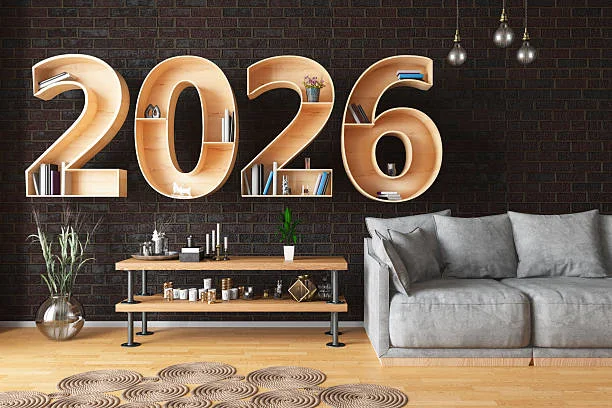
As we move further into the digital age, something curious is happening in home decor. Rather than embracing exclusively modern minimalism, homeowners are increasingly turning backward, seeking comfort in familiar styles from decades past. The home trends emerging in 2026 reveal a collective yearning for warmth, character, and the tangible quality that vintage aesthetics provide. This isn’t mere nostalgia—it’s a thoughtful rebellion against the sterile sameness of contemporary design.
Why Nostalgia Is Dominating Home Decor
The appeal of retro home design runs deeper than simple sentimentality. After years of pandemic-era anxiety and rapid technological change, people crave spaces that feel grounded and authentic. Nostalgic home decor offers emotional comfort through familiar forms, connecting us to simpler times or childhood memories. There’s also a growing appreciation for the craftsmanship and durability of older pieces, which often outlast their modern counterparts by decades.
Sustainability plays a role too. Incorporating vintage and vintage-inspired pieces aligns with the increasing awareness of environmental impact. Choosing quality items built to last, whether genuinely antique or newly made with traditional methods, represents a move away from disposable consumer culture.
Discover more insights! Check out our related post for valuable tips & info.
Warm Wood Tones and Natural Materials
The cool gray palette that dominated the 2010s is finally giving way to warmer, more inviting tones. Rich woods—walnut, oak, cherry—are making a strong comeback in furniture and architectural details. These materials bring organic texture and warmth that synthetic alternatives simply cannot replicate.
Alongside wood, other natural materials are trending: woven rattan, natural stone, clay pottery, and linen textiles. The overall effect creates spaces that feel lived-in and welcoming rather than showroom-perfect. This trend reflects a broader desire to bring nature indoors and surround ourselves with materials that age gracefully rather than deteriorate.
Maximalism and Pattern Mixing
After years of “less is more,” maximalism is having its moment. Bold wallpapers, mixed patterns, and layered textures are replacing stark white walls and minimal furnishings. This doesn’t mean chaotic clutter—rather, it’s about curated abundance. Think gallery walls of family photos and art, bookshelves filled with treasured objects, and fabrics in complementary patterns creating visual interest.
Floral prints, geometric patterns from the 1970s, and even Victorian-inspired motifs are appearing in everything from upholstery to window treatments. The key is confidence—mixing eras and styles with intention rather than following rigid rules about what “matches.”
Vintage Kitchen Aesthetics
The kitchen is seeing perhaps the most dramatic nostalgic shift. Colorful appliances in retro pastels or bold jewel tones are replacing stainless steel. Open shelving displays vintage dishware and glassware rather than hiding everything behind cabinet doors. Farmhouse sinks, butcher block countertops, and decorative tile backsplashes evoke the warmth of grandmother’s kitchen.
Even new appliances are being designed with vintage silhouettes—rounded refrigerators that recall 1950s models, ranges with retro knobs and details. The goal is creating a kitchen that feels like the heart of the home, a gathering place with personality rather than a sterile food-preparation zone.
Handcrafted and Artisan Pieces
Mass production is losing its appeal. Home trends in 2026 show a marked preference for handcrafted items with visible signs of human creation. Hand-thrown pottery with slight irregularities, hand-woven textiles with natural variations, hand-carved wooden furniture—these pieces tell stories and add character that factory-made items cannot provide.
This extends to traditional crafts that were nearly lost to industrialization. Hand carved cuckoo clocks from regions like Germany’s Black Forest represent this appreciation for artisan skill passed down through generations. These timepieces aren’t just functional—they’re conversation pieces that connect modern homes to centuries of craftsmanship tradition. The mechanical movements, detailed woodwork, and charming hourly announcements offer an antidote to the silent, digital timekeeping most of us rely on daily.
Vintage Lighting Fixtures
Statement lighting is experiencing a renaissance, with many homeowners seeking out authentic vintage fixtures or high-quality reproductions. Art Deco chandeliers, mid-century modern pendant lights, and even Victorian-style lamps are being incorporated into contemporary spaces for dramatic effect.
Warm-toned Edison bulbs and amber glass shades create ambient lighting that’s softer and more flattering than the harsh LED white that became ubiquitous in the 2010s. Lighting is no longer purely functional—it’s a key element in creating mood and atmosphere.
Cozy, Layered Textiles
The Scandinavian-minimalist aesthetic of few, neutral textiles is being replaced by abundant, varied fabric layers. Quilts, throw blankets, decorative pillows, and area rugs in rich colors and varied textures create inviting spaces that practically beg you to curl up with a book.
Velvet is particularly popular, appearing on sofas, chairs, and cushions in jewel tones like emerald, sapphire, and ruby. Vintage-inspired patterns—paisley, damask, toile—are showing up in unexpected places. The overall effect is warmth and comfort over cool sophistication.
Traditional Architectural Details
Homeowners are adding back the architectural character that was stripped away in mid-20th-century renovations. Crown molding, wainscoting, picture rails, and ceiling medallions are being restored or newly installed. These details add visual interest and a sense of permanence that flat walls lack.
Even in new construction, developers are incorporating traditional elements—covered front porches, dormer windows, built-in bookcases—that connect contemporary homes to historical architectural styles. The boxy, featureless design of recent decades is giving way to more distinctive, character-rich structures.
Bringing Heritage Into Modern Life
What makes these nostalgic home trends particularly interesting is that they’re not about rigid period accuracy or living in a museum. Instead, people are selectively incorporating vintage elements into otherwise contemporary spaces, creating eclectic environments that feel both timeless and current.
A mid-century modern sofa might sit beneath ornate Victorian molding. A sleek contemporary kitchen might feature one wall of vintage-patterned wallpaper. The mix itself is the point—honoring the past while remaining firmly rooted in present-day life.
Making It Work in Your Space
If you’re drawn to these nostalgic home trends but unsure where to start, begin small. Add one statement vintage piece—a mirror, a chair, a light fixture—and build from there. Visit antique shops and estate sales with an open mind. Don’t worry about whether pieces are “correct” for your home’s period; trust your instincts about what speaks to you.
Consider the stories objects tell. A well-loved vintage item with signs of age often adds more character than a pristine reproduction. Imperfection itself has become desirable—the Japanese concept of “wabi-sabi,” finding beauty in impermanence and imperfection, aligns perfectly with nostalgic decorating.
Most importantly, create spaces that feel authentically yours. The best homes reflect their inhabitants’ personalities, interests, and histories. Whether you incorporate grandmother’s dining table, hunt for authentic mid-century pieces, or choose new items made with traditional craftsmanship, let your space tell your story.
The return to nostalgic aesthetics in 2026 isn’t about living in the past—it’s about creating homes with soul, character, and meaning in an increasingly standardized world.
Explore more content tailored for you! Uncover fresh ideas and updates now.