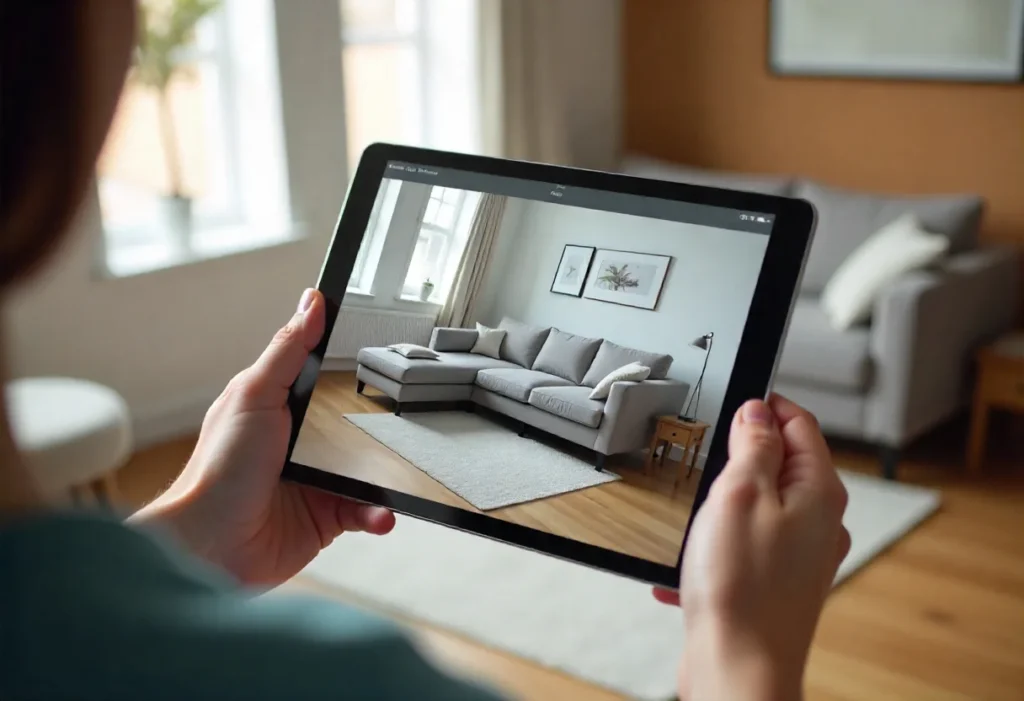
In an era where attention is the most valuable currency, the way a product is presented can determine whether it is ignored or instantly desired. This is where 3D product rendering services deliver a clear competitive advantage: they allow businesses to showcase products with cinematic precision, long before a physical prototype exists, while reducing marketing costs and accelerating time to market. What once required expensive photo shoots, studios, and repeated revisions can now be achieved digitally—with greater control, consistency, and creative freedom.
The Evolution of Product Visualization
Traditional product photography has long been the standard for marketing campaigns, catalogs, and e-commerce platforms. While effective, it comes with limitations. Physical samples must be manufactured, shipped, staged, lit, and reshot whenever changes are required. In contrast, 3D rendering replaces this rigid process with a flexible digital workflow.
By creating a detailed three-dimensional model of a product, designers and marketers can experiment with colors, materials, angles, lighting, and environments without touching a camera. This evolution has transformed visualization from a static task into a dynamic storytelling tool—one that adapts to modern consumer expectations for clarity, realism, and interactivity.
Related content that matters—keep reading and stay informed.
What Are 3D Product Rendering Services?
At their core, 3D product rendering services involve creating photorealistic images or animations of products using specialized software. These visuals are generated from digital models, often based on CAD files or detailed design specifications. The result is imagery that can be indistinguishable from traditional photography, yet infinitely more adaptable.
Beyond still images, these services may include 360-degree product views, exploded diagrams, close-up detail shots, lifestyle scenes, and animated demonstrations. Together, they provide a comprehensive visual toolkit for marketing, sales, training, and product development.
Why Businesses Are Investing in 3D Rendering
The adoption of 3D rendering is not driven by novelty—it is driven by measurable business value.
One of the most significant benefits is cost efficiency. While the initial setup requires expertise, the long-term savings are substantial. Once a 3D model exists, it can be reused across multiple campaigns, platforms, and regions. Changes in branding, seasonal variations, or product updates no longer require reshooting; they require only a few digital adjustments.
Speed is another critical factor. In competitive markets, being first often matters more than being perfect. 3D rendering allows companies to begin marketing products while they are still in development. This shortens launch cycles, enables pre-orders, and helps businesses test market interest before committing to mass production.
Consistency also plays a major role. Digital rendering ensures that product visuals look identical across websites, brochures, packaging, and advertisements. This consistency strengthens brand identity and builds trust, especially in e-commerce environments where customers rely solely on visuals to make purchasing decisions.
Enhancing the E-Commerce Experience
Online shoppers cannot touch, feel, or test products. Their confidence depends almost entirely on how clearly a product is presented. High-quality 3D renders fill this gap by offering detailed, accurate representations that reveal textures, proportions, and functionality.
Interactive features such as 360-degree rotation or zoomed-in details give customers control over their viewing experience. This transparency reduces uncertainty, which in turn lowers return rates and increases conversion rates. For complex or premium products, the ability to visually explain features can be the difference between hesitation and purchase.
Supporting Design and Development Teams
The value of 3D product rendering extends beyond marketing. Design and engineering teams use rendered visuals to validate concepts, identify potential issues, and communicate ideas more effectively. Stakeholders can review realistic representations instead of interpreting technical drawings, leading to faster approvals and better collaboration.
Rendering also supports customization strategies. Brands offering configurable products—such as furniture, electronics, or accessories—can use 3D visualization to show customers exactly what their personalized product will look like before purchase. This not only enhances user experience but also reduces production errors and misunderstandings.
Storytelling Through Visual Precision
Modern consumers do not just buy products; they buy stories, values, and experiences. 3D rendering services allow brands to craft these narratives with precision. A product can be placed in aspirational environments, dramatic lighting can highlight craftsmanship, and animations can demonstrate use cases that would be difficult to capture in real life.
This level of creative control empowers marketers to align visuals with brand identity and emotional messaging. Whether the goal is minimalism, luxury, innovation, or sustainability, 3D renders can be tailored to reflect that message consistently across all channels.
The Future of Product Visualization
As technologies such as augmented reality and virtual reality continue to mature, 3D rendering will become even more central to how products are marketed and experienced. The same digital assets used for rendering can power virtual showrooms, AR try-ons, and immersive product demonstrations.
Artificial intelligence is also beginning to influence rendering workflows, accelerating production and improving realism. What remains constant, however, is the fundamental value of high-quality visualization: clarity builds trust, and trust drives sales.
Final Thoughts
3D product rendering services are no longer a luxury reserved for large corporations or high-end industries. They are a practical, scalable solution for businesses that want to communicate value clearly, move faster, and stand out in crowded markets. By replacing limitations with flexibility and imagination, 3D rendering has redefined what product presentation can achieve—and for brands willing to invest in visual excellence, the returns are both immediate and long-lasting.
Take the next step—explore more content crafted for curious readers at Management Works Media.