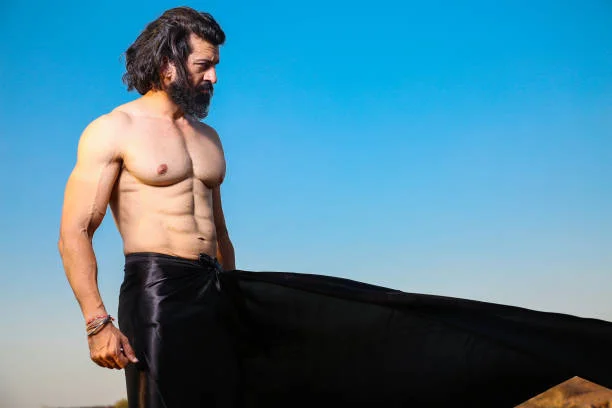
The men’s sarong is a versatile garment that has been enjoyed across various cultures for centuries. Known for its comfort and adaptability, this piece of clothing is finding a place in modern wardrobes worldwide. As people seek comfort without sacrificing style, the men’s sarong continues to gain popularity. This guide explores the various aspects of men’s sarongs, from styling tips to practical uses.
History of Men’s Sarongs
The sarong originates from Southeast Asia, where it is traditionally worn by men and women alike. In these cultures, the sarong is not only a garment but also a symbol of cultural identity. It is particularly prevalent in countries such as Indonesia, Malaysia, and Thailand. The men’s sarong has historically symbolised status and ethnic identity, with different patterns and colours representing various meanings.
Don’t stop here—your next valuable read is waiting inside this related link.
Materials and Design
Men’s sarongs are made from a variety of materials, each offering different benefits. Cotton sarongs are light and breathable, making them ideal for warm climates. Silk sarongs exude luxury and are often reserved for formal occasions. Polyester blends, meanwhile, offer durability and easy maintenance. Regardless of the material, men’s sarongs are typically rectangular pieces of fabric that wrap around the waist, secured by folding or tying.
Styling Men’s Sarongs
Styling a men’s sarong is all about personal preference and the occasion. For a casual look, it can be paired with a simple T-shirt or a loose, short-sleeve button-up. This ensemble not only keeps the wearer comfortable but also allows freedom of movement. For a more sophisticated look, pairing a silk sarong with a crisp, white dress shirt can be striking. Accessories such as leather sandals or casual loafers complete the outfit.
Occasions to Wear a Men’s Sarong
Men’s sarongs are suitable for various occasions. They are perfect for beach outings due to their breathable materials and ease of wear. In resorts or leisure settings, a sarong provides a fashionable yet relaxed look. For cultural events or ceremonies, sarongs can be worn to reflect respect and appreciation for traditional customs. Adaptability in style makes sarongs suitable for both laid-back and formal settings.
Benefits of Wearing a Men’s Sarong
Comfort is one of the main advantages of wearing a sarong. Unlike trousers, a sarong allows for full freedom of movement and ventilation, reducing discomfort in warm conditions. This garment is also lightweight, meaning it can be easily packed and carried for travel. Additionally, its versatility in style ensures it can be adapted to suit various personal tastes and occasions.
How to Wear a Men’s Sarong
Donning a men’s sarong is simple and requires little effort. Usually, the sarong is wrapped around the waist and secured by tucking in the ends or using a belt. For those new to wearing sarongs, practising in front of a mirror can ensure it fits securely and appears neat. Various styles of wrapping can be experimented with to find the most comfortable fit.
Maintenance and Care Tips
Proper care and maintenance of men’s sarongs ensure their longevity. It is advisable to follow the washing instructions on the sarong’s label, especially with delicate materials like silk. Cotton sarongs can usually be machine-washed but should be dried flat to maintain their shape. Storing sarongs in a clean, dry place helps preserve the fibre’s vitality and visual appeal.
Choosing the Right Sarong for You
Selecting a sarong comes down to personal taste and intended use. Consider factors such as the climate you will be wearing it in, the occasions you anticipate using it for, and your comfort with different materials. Patterns and colours also play a significant role; while vibrant designs may appeal to some, others may prefer subtle and classic appearances.
Popular Patterns and Colours
Men’s sarongs come in a wide range of patterns and colours. Traditional designs often feature stripes, checks, or batik prints, while modern varieties may showcase abstract patterns or solid colours. Colour choices can range from bold and vibrant to understated and neutral, allowing for numerous outfit combinations and personal expression.
Innovations and Trends
Contemporary fashion trends have seen innovations in sarong design, with modern adaptations incorporating pockets, zippers, or snap “buttons” for convenience. These additions enhance the practical aspects of the sarong while maintaining its traditional charm. The fusion of Western styles with traditional sarong designs exemplifies how this garment continues to evolve.
Environmental Impact and Sustainability
The demand for sustainable fashion has encouraged sarong manufacturers to consider eco-friendly materials and ethical production methods. Organic cotton and natural dyes are options that lessen environmental impact. Additionally, supporting local artisans and fair trade practices contributes positively to communities that have long hand-crafted sarongs.
Customising Your Sarong
For a truly personalised experience, customising a sarong is an enticing option. Many retailers offer custom designs where customers can select fabric types, patterns, and colours. Personalised embroidery or monograms can also add a unique touch, ensuring a sarong that completely reflects individual style.
Conclusion
The men’s sarong is a testament to cultural richness and versatility. Its enduring popularity is a result of its practical benefits and fashion appeal. Whether for leisurely wear or a unique sartorial statement, the sarong offers endless possibilities. As the fashion industry moves towards more sustainable practices, the timeless sarong will undoubtedly continue to remain relevant in global wardrobes.
Explore more perspectives that spark interest and inspire smarter decisions.