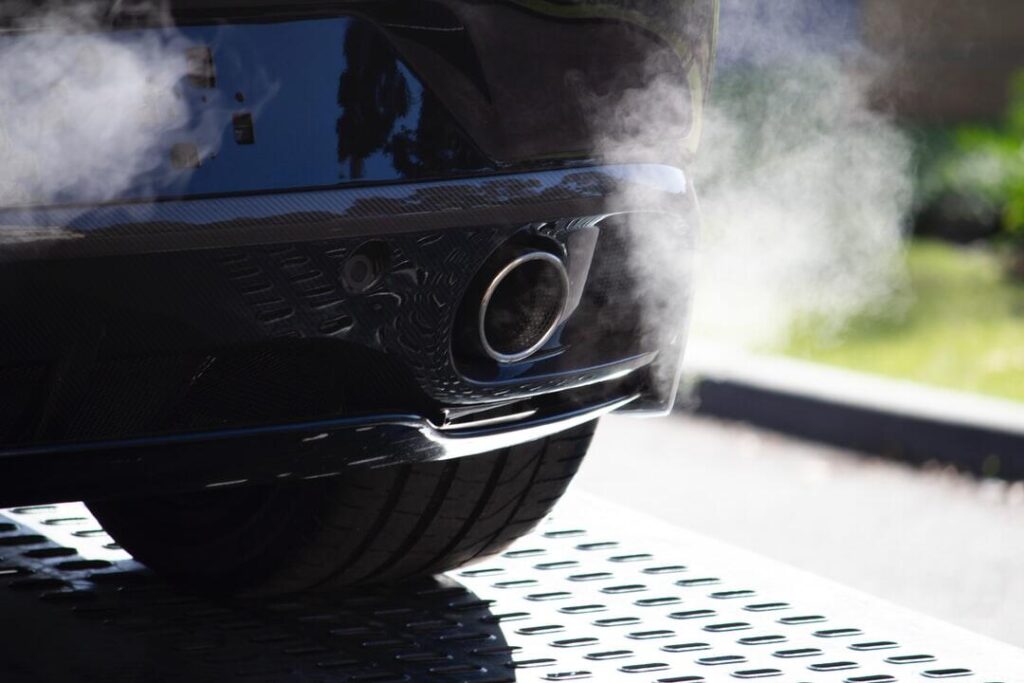
Getting your car ready for its annual emissions test can feel stressful. Failing the test can be expensive and take extra time to repair issues.
A little preparation ahead of time can save you money, time, and headaches. Checking your car’s key systems and making small fixes early increases your chances of passing the test on the first try.
Take action today by following simple steps to make sure your car runs efficiently and meets all emissions standards. From inspecting your engine and exhaust to checking fluids, tires, and gas, every detail matters. Continue reading to discover everything you need to know to pass your emissions test confidently and easily.
Check Your Engine and Fluids
The first step is to check your engine. Ensure it runs smoothly and that no warning lights are illuminated on the dashboard. Warning lights can show problems that may increase emissions or cause your car to fail the test.
Check your oil, coolant, brake fluid, and windshield washer fluid for proper levels. Low or dirty fluids can make your engine work harder and produce more harmful gases.
Changing or topping off fluids before the test can improve performance, reduce emissions, and prevent small problems from turning into larger repairs later. A well-maintained engine burns fuel more efficiently.
This reduces smoke and harmful gases. If your engine is running poorly, small fixes can make a big difference.
Replace old spark plugs, clean or change air filters, and check sensors for proper function. You can also check belts and hoses for wear or leaks, as these can affect engine performance. Fixing these issues early can help your car pass the emissions test and keep it running better every day, saving money, reducing stress, and helping your car last longer.
Inspect the Exhaust System
Your car’s exhaust system controls the gases released into the air. A damaged exhaust can increase emissions and cause your car to fail.
Check the exhaust for leaks, rust, or other damage. Small repairs or part replacements can make a big difference in lowering harmful gases.
Catalytic converters are an important part of the exhaust system. Make sure they are not clogged or broken.
A clean and working catalytic converter helps reduce pollution and ensures your car passes the test. A healthy exhaust system also makes your car run smoother and can improve fuel efficiency, saving you money on gas.
Check Tires and Gas
Tires should be properly inflated before your test. Low tire pressure makes the engine work harder, which can increase emissions and reduce fuel efficiency. Check all four tires and make sure they match the manufacturer’s recommended pressure.
Also, fill your gas tank to about half a tank before testing. Too little or too much gas can affect the readings and may cause your car to fail.
Checking tire pressure and fuel level ahead of time helps avoid last-minute problems and ensures your car is ready for testing.
It’s a good idea to drive your car for 20-30 minutes before the test. This warms up the engine and ensures the catalytic converter works properly.
A warm engine and exhaust system give more accurate readings and make it easier to pass. Driving beforehand also helps clear out old fuel deposits in the engine, improves combustion, reduces harmful gases, and prepares your car for the best possible test results.
Check Air Filters and Fuel System
Dirty air filters or clogged fuel injectors can reduce engine efficiency and increase emissions. Check your air filter and replace it if it looks dirty. A clean air filter helps your engine get the right amount of air for fuel combustion, which lowers harmful gases.
Clean fuel injectors or adding a fuel system cleaner also helps your car burn fuel more efficiently. This improves performance, saves gas, and reduces pollution.
Regular maintenance of your fuel system also helps your car start easily and run smoothly. Cars with clean air filters, fuel injectors, and intake systems usually pass emissions tests on the first try.
Small checks like these are easy to do but can significantly impact your car’s performance, reliability, and emissions. Taking care of these parts helps your car last longer and keeps it running at its best.
Know Your Testing Options
Find a trusted testing location for your car. If you live in California, you can look for services like smog check Stockton.
Choose a center with good reviews and experienced technicians. A professional test ensures accurate results and can advise you on minor repairs if needed.
Some centers also give tips to improve emissions and car efficiency. Ask questions if you are unsure about any part of your car’s system. Preparing well makes the test faster and easier, and it helps your car run better for longer.
Avoid Common Problems
Common reasons cars fail emissions tests include a check engine light, dirty or old filters, faulty sensors, or problems with the exhaust system. Make sure these areas are checked before testing. Catching these issues early can save money and prevent stress.
Regular maintenance, such as oil changes, spark plug replacements, and air filter checks, also reduces the risk of failure. Keeping records of maintenance can help the testing center understand what work has been done, which can make your test smoother.
Pass Your Emissions Test with Confidence
Preparing your car for emissions testing does not have to be stressful. By checking your engine, fluids, exhaust system, tires, air filters, and fuel system, you greatly improve your chances of passing the test on the first try.
Choosing a trusted testing center ensures accurate results and provides helpful advice if repairs are needed. Always follow recommended maintenance schedules and address small issues before they become big problems.
Take the steps today to keep your car running clean, protect the environment, and avoid costly repairs. With careful preparation, your next emissions test can be quick, easy, and worry-free.
Regular maintenance not only helps you pass your test but also keeps your car safe, reliable, and efficient for years to come. Expand your knowledge and check out more posts on our blog for helpful tips and advice.