Learning essential skills feels easier when a teen can practice them in real situations. Real life gives quick feedback, and that feedback helps skills stick. Hands-on learning also builds confidence because progress becomes visible. A meal turns out better each time, a schedule starts to run smoother, and a difficult conversation starts to feel manageable. Teens can use this approach for practical areas like cooking, money habits, basic car knowledge, communication, and work readiness.
Texas offers a strong backdrop for learning this way. Communities often revolve around school events, sports, volunteering, and family commitments, so opportunities to practice show up everywhere.
Choose Skills That Match Your Real Life
Hands-on learning works best when the skill connects to your routine. Random goals sound exciting for a day, then disappear when life gets busy. Practical skills stay consistent because they solve problems you already face. Start with areas that affect school, home, and daily independence.
A useful way to pick a skill involves noticing what stresses you out. Late assignments might point to scheduling and planning. Running out of money quickly might point to budgeting. Feeling awkward in conversations might point to communication practice. Choose two or three skills and keep the list short. Focus matters more than variety.
Learn Faster With Structure, Support, and Practice
A plan keeps learning focused, and early feedback prevents repeated mistakes. Teens still need space to try, adjust, and improve, so guidance works better than control. Keep structure simple: a brief checklist, one weekly goal, and quick progress notes. Each session should target a small, realistic skill to avoid overwhelm and build confidence.
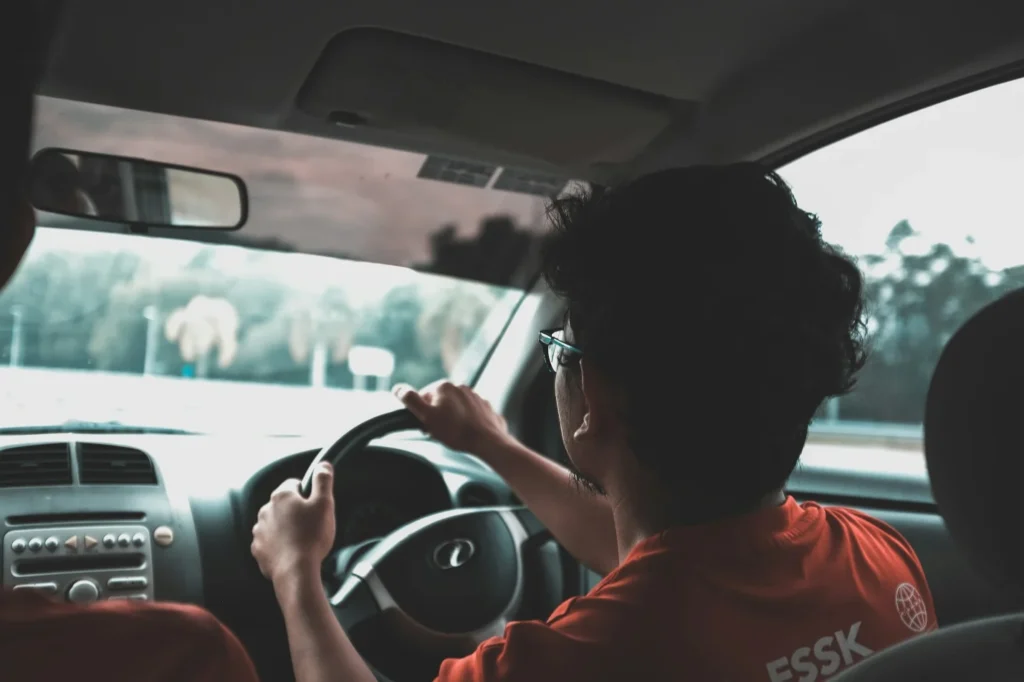
Driving shows how clear steps and steady practice fit together. Many teens want to learn the rules while gaining real-world comfort. If you’re looking for options like parent taught driver’s ed Texas has programs that pair online instruction with supervised, behind-the-wheel practice. It helps teens build confidence responsibly.
Use Short “Skill Sessions” Instead of Waiting for Free Time
Many teens delay learning because they imagine they need a huge block of time. Progress usually comes from short sessions done consistently. A 20 to 30 minute practice block fits into most schedules and still moves you forward. Short sessions also feel less intimidating, so starting becomes easier.
Skill sessions can fit almost anywhere. Cooking practice could be prepping ingredients, making one part of a meal, or learning safe knife basics. Money practice could mean checking your balance, categorizing spending, or setting a small savings goal for the week.
Turn Daily Responsibilities Into Confidence Builders
Everyday responsibilities can teach real skills without adding extra stress. Household tasks build planning, follow-through, and reliability when you treat them like a personal project instead of a chore. A teen who manages a responsibility from start to finish learns how to organize time and handle details.
Laundry is a great example. Sorting, timing, folding, and putting everything away teaches routine and attention. Grocery help can teach budgeting and decision-making. Meal planning teaches nutrition basics, scheduling, and preparation. Managing a younger sibling’s after-school routine teaches patience, communication, and leadership.
Get Real-World Practice Through Jobs, Volunteering, and Activities
School activities, part-time jobs, and volunteering create a powerful training ground because they demand real performance. Communication matters, reliability matters, and effort shows quickly. These settings also teach professional habits in a natural way, without needing a classroom lecture.
A part-time job can teach punctuality, teamwork, and customer communication. Volunteering builds social confidence and responsibility, especially when you show up consistently. Clubs and sports strengthen discipline and feedback skills because coaches and teammates expect improvement. Tutoring younger students, helping at community events, and supporting local organizations can build leadership while still feeling meaningful.
Build Practical Know-How With Simple Projects
Projects are a clean way to learn because they produce a result you can see and use. One finished project also creates momentum for the next one. Start small, keep it safe, and pick something that improves your daily life. A project should feel useful, not like extra homework.
Cooking is one of the best places to begin. Learn three repeatable meals and treat them as your “base set.” Practice one recipe until it feels easy, then move to the next. Keep the meals simple and focus on core techniques like seasoning, timing, and cleanup. Basic meals also make budgeting easier because you stop relying on last-minute options.
Treat Mistakes as Data, Then Adjust the Plan
Mistakes feel frustrating, yet they can be useful when you respond to them calmly. Hands-on learning always includes a few missteps, and the best learners use those moments to improve the process. The goal is progress, not perfection.
A simple reset routine keeps mistakes from turning into drama. Notice what happened, name the likely cause, and choose one adjustment for next time. Burned food might mean the heat was too high or the timing was off. A missed deadline might mean the task needed smaller steps earlier in the week. An awkward conversation might mean you rushed your words or avoided eye contact. Each setback points to a fix.
Practice People Skills in Low-Pressure Ways
People skills improve with real reps, not just good intentions. The good news is that practice can happen in low-pressure moments. Everyday interactions give you chances to build confidence without feeling like you are performing.
Start with simple situations. Order food politely, ask a cashier a clear question, or call to schedule an appointment. Schools offer plenty of practice, too. Ask a teacher for help early, contribute one comment in a group discussion, or introduce yourself to someone new in a club. These moments teach clarity and composure.
Hands-on experience turns essential skills into real ability. Progress happens faster when the skill fits your life, the practice stays structured, and the sessions stay consistent. Daily responsibilities can build confidence when you take ownership, and real-world environments like jobs, volunteering, and activities sharpen reliability and communication. Projects add practical know-how, mistakes teach you what to tweak, and people skills grow every time you choose a small moment to practice.
Pick one skill you want to improve this week, then set up two short practice sessions. Track what changed after each attempt. Consistency will carry you further than intensity, and the confidence that comes from real practice is hard to shake.