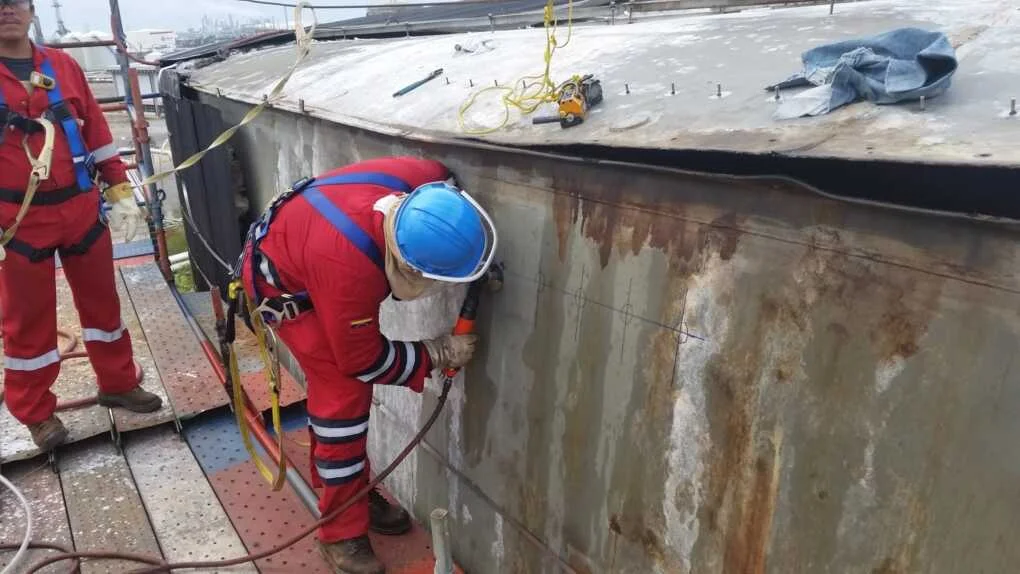
Why Storage Systems Depend on Consistent Care
Storage tanks handle a massive amount of pressure, weight, and environmental exposure every single day. Whether they hold water, chemicals, fuel, or industrial materials, these systems work quietly in the background to keep facilities operating safely. But even the toughest tanks aren’t immune to wear. Corrosion, shifting soil, temperature changes, and daily stress all take a toll. That’s why proactive maintenance matters. The earlier problems are spotted, the easier they are to control, and this is where routine storage tank repair becomes a core part of long-term system protection.
ver insights you won’t want to miss in our related post—click to explore!
The Impact of Corrosion on Long-Term Performance
Corrosion is the number one threat to most storage tanks. When metal surfaces begin to weaken, the structural stability of the entire system can shift. Small patches of rust can turn into thin spots, leaks, or full failures if ignored. Tank walls, floors, and weld seams need regular inspection to catch early signs of deterioration. Protective coatings, cathodic protection systems, and interior lining updates all help reduce corrosion damage. When these issues surface, targeted storage tank repair ensures the tank stays strong and safe to operate for years.
Why Regular Inspections Prevent Major Damage
Inspections are the backbone of a healthy tank management plan. Technicians look for cracks, settlement, uneven pressure, shifting foundations, and moisture intrusions. They use ultrasonic testing, vacuum box testing, and visual checks to identify weaknesses long before they become emergencies. This constant monitoring gives facility managers confidence that the tank is functioning as intended. When problems are caught early, storage tank repair is faster, more cost-effective, and far less disruptive to daily operations.
The Role of Linings and Coatings
Internal linings and external coatings protect the tank from harsh contents and environmental exposure. Over time, these layers wear down. Temperature fluctuations, chemical reactions, and abrasive materials can cause coating breakdown. Once coatings fail, the underlying metal becomes vulnerable. Recoating and relining are essential maintenance steps that restore the protective barrier and prevent deeper damage. These updates extend lifespan, improve safety, and reduce the likelihood of leaks or contamination.
Foundation Stability and Structural Integrity
A storage tank is only as reliable as the ground beneath it. Soil movement, erosion, and uneven settlement can stress tank walls and floors. If left unchecked, this pressure creates cracks or misalignments that compromise safety. Regular surveys of the surrounding area help identify changes in soil patterns. Addressing foundation issues early prevents structural failures and reduces the strain on the tank body. Proper grading and drainage systems also play a major role in limiting moisture exposure and soil instability.
The Importance of Leak Detection
Leaks rarely start big. They begin as tiny openings around seams, fittings, or corroded areas. Without fast intervention, these small leaks can lead to major product loss, contamination, or safety hazards. Modern facilities rely on leak detection sensors, pressure monitoring, and periodic testing to stay ahead of developing problems. When a leak is found, immediate storage tank repair prevents it from spreading and protects the integrity of both the tank and the surrounding environment.
Venting, Pressure Control, and Operational Safety
Proper venting systems maintain the internal pressure of a storage tank. If pressure rises too high or drops too low, the tank can deform or fail. Vents, relief valves, and monitoring equipment must remain in top condition. Dust, debris, and mechanical wear can block or weaken these components over time. Routine cleaning and inspection ensure that airflow and pressure remain balanced, protecting both the tank structure and the materials inside.
How Professional Expertise Extends Tank Lifespan
Repairing or maintaining a storage tank isn’t a simple task. It requires specialized knowledge, equipment, and certification. Professionals understand how to assess risk, select the right repair method, and execute work safely. Their insight helps facilities avoid unnecessary downtime and ensures the system meets all operational and regulatory standards. The precision involved in storage tank repair also reduces the chance of future problems, which strengthens long-term performance.
The Value of Staying Ahead of Problems
A well-maintained storage tank can operate safely for decades. The key is addressing issues before they escalate. Small cracks, worn coatings, minor settlement, or early corrosion are all manageable when caught in time. Consistent inspections, smart maintenance routines, and timely repair work create a strong defense against long-term damage.
Storage tanks may sit quietly on a property, but their safety and reliability depend on constant attention. When facility teams stay proactive and prioritize essential fixes, the entire system becomes more efficient, stable, and dependable for years to come.
Check out our featured post highlighting trends and insights you’ll love!