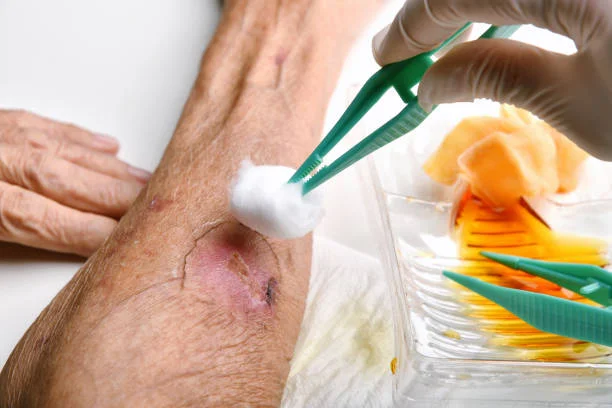
Caring for skin becomes a different experience when mobility changes. What used to be simple,turning in bed, adjusting posture, shifting weight, walking to relieve pressure,becomes slower, harder, or impossible. And with limited movement comes new challenges: fragile skin, pressure-related injuries, delayed healing, and the need for consistent support from caregivers, family members, or clinical teams. For many families, learning how to care for skin becomes a journey of patience, gentleness, and daily routines. It’s one reason people search for safe, reliable canadian medical supplies to support the unique needs of loved ones with reduced mobility.
Healthy skin may seem like a small thing, but it’s deeply tied to comfort, confidence, dignity, and overall well-being. When mobility decreases, skin requires more intentional protection. The good news: with the right habits, awareness, and tools, you can reduce complications, support healing, and create a daily care routine that feels manageable rather than overwhelming.
Let’s explore the best practices that help protect and care for skin when mobility is limited.
Discover insights that complement this article—click to explore related content now!
1. Understand Why Reduced Mobility Affects Skin Health
When someone moves less, their skin faces new pressures,literally and figuratively.
Pressure Builds Faster and Breaks Down Skin
Human skin is designed for movement. Shifting positions naturally relieves pressure across the body. When someone spends long hours sitting or lying down, the body weight settles on the same points repeatedly. This can lead to:
- pressure injuries (bedsores)
- redness or discoloration
- skin thinning
- reduced blood flow
- tissue breakdown
Common areas of concern include the heels, tailbone, hips, elbows, and back of the head.
Moisture and Temperature Increase in Still Environments
When someone moves less, areas of skin stay warm and moist for longer. This can increase the risk of:
- irritation
- rashes
- fungal overgrowth
- compromising skin integrity
Moisture becomes a quiet but persistent enemy of delicate skin.
Fragile Skin Tears More Easily
With reduced mobility, skin often becomes:
- drier
- thinner
- less elastic
- slower to repair
This makes bumps, friction, or pulling injuries more likely, especially during transfers, bathing, or dressing.
Understanding these risks helps guide more thoughtful care.
2. Pressure Relief and Positioning: Small Adjustments with Big Impact
One of the most important aspects of skin care for people with reduced mobility is pressure management.
Repositioning: The Most Important Habit
A consistent repositioning schedule helps the body avoid prolonged pressure on vulnerable areas. Common guidelines include:
- turning or repositioning every 2 hours when lying down
- shifting weight every 15–30 minutes when seated
- using supportive cushions or wedges to distribute pressure
Even minor shifts can improve circulation and skin oxygenation.
Use Cushions, Pads, and Supports Thoughtfully
Pressure-relieving supports such as:
- foam wedges
- gel cushions
- heel protectors
- alternating-pressure mattresses
…help distribute weight and prevent concentrated stress on fragile skin.
Be Gentle During Transfers
Friction and shear injuries happen easily during turning or repositioning. Using transfer sheets, slide boards, or lift assists helps protect skin from unnecessary pulling or dragging.
Positioning isn’t just a physical task,it’s a rhythm of daily care that protects the body from silent damage.
3. Keep Skin Clean, Dry, and Moisturized: The Core of Daily Routine
Healthy skin thrives on consistency. A gentle daily routine helps reduce irritation and prevent breakdown.
Gentle Cleansing Helps Maintain Balance
Daily cleansing keeps skin clear of:
- sweat
- excess oils
- Micro-irritants
- bacteria
- residue from incontinence products
Choose cleansers that are mild, pH-balanced, and free of fragrances or harsh chemicals.
Moisture Management Is Essential
Too much moisture softens skin and increases the risk of breakdown. Too little moisture causes dryness and cracking. Managing moisture includes:
- patting (not rubbing) skin dry
- using breathable incontinence pads when needed
- applying moisture-barrier creams to protect vulnerable areas
- changing bedding or clothing when damp
- using breathable fabrics
A good moisture balance keeps skin resilient and comfortable.
Hydration Through the Skin
Moisturizers help keep the skin supple and less prone to tearing. Products with:
- ceramides
- gentle emollients
- non-irritating formulations
…help strengthen the skin barrier.
Daily skin care routines aren’t cosmetic,they are protective.
4. Preventing and Caring for Wounds: What to Watch for and How to Respond
Early detection prevents small issues from becoming big problems.
Know the Early Signs of Skin Breakdown
Look for:
- persistent redness
- discoloration
- warm or cooler areas
- swelling
- firmness or softness
- pain or discomfort reported by the person
- shiny or stretched patches
Skin that does not return to normal color after gentle pressure is a warning sign.
Clean Minor Wounds Carefully
If a minor wound appears:
- cleanse with gentle, approved solutions
- avoid harsh scrubbing
- pat dry
- use appropriate wound-care dressings
- monitor for changes
Following proper wound-care protocols supports faster healing and reduces complications.
When to Seek Medical Attention
Seek help if you observe:
- increased redness
- spreading discoloration
- odor
- drainage
- fever
- deepening wound layers
- pain out of proportion
Healthcare support helps prevent infection and guide treatment plans.
Dressings: Matching the Wound to the Product
Different wounds require different dressings. Common categories include:
- foam dressings for cushioning
- hydrocolloid dressings for moist healing
- alginate dressings for absorbing drainage
- protective films for friction-prone areas
Choosing the right dressing supports healing without overwhelming the skin.
5. Build a Supportive Routine: Caregiving as a System, Not a Series of Tasks
Skin care is rarely done by one person alone. Often, it involves caregivers, family members, nurses, physiotherapists, or support workers. Working together creates consistency.
Establish Daily and Weekly Patterns
A structured routine helps maintain healthy skin:
- morning cleansing
- moisture check midday
- repositioning schedule
- bedtime skin inspection
- weekly full skin assessment
Consistency matters more than intensity.
Communication Helps Prevent Problems
Caregivers should share information about:
- areas of concern
- new redness
- wounds beginning to form
- changes in comfort
- difficulty with transfers or bedding
When everyone communicates, problems get noticed sooner.
Routines Create Comfort and Confidence
A predictable routine:
- reduces anxiety
- increases comfort
- builds trust
- helps the person feel more in control
Skin care becomes a partnership rather than a burden.
Emotional Well-Being Is Part of Skin Care
People with reduced mobility sometimes feel vulnerable or frustrated. Gentle care, patience, and clear communication help protect not just the body but also the emotional landscape of the person receiving care.
Healthy skin supports dignity,and dignity supports healing.
Spotlight content awaits! See our featured post for trending insights now.