But do you know what to do in an emergency?
First aid skills help you respond quickly when someone is hurt or in danger. They give you the confidence to act before professional help arrives.
Learning these skills can make a real difference in someone’s life. It also helps you stay calm and ready in unexpected situations. Want to feel more confident and capable during emergencies? Start exploring essential first aid skills today.
Study Allergy and Shock Signs
Recognizing allergy and shock signs helps you respond fast in emergencies. You can spot symptoms like swelling, trouble breathing, or sudden weakness. These signs show that the body needs help right away. Quick action can prevent the situation from getting worse.
Knowing what to do makes a big difference. You can call for help, keep the person calm, and provide basic care. Simple steps can support the person until medical help arrives. This knowledge gives you confidence in urgent moments.
Know How to Call for Help
Knowing how to call for help is a key part of staying prepared in emergencies. You should know the emergency numbers in your area and when to use them. Clear information helps responders act faster. A calm voice can make the situation easier to manage.
You can also guide others to call if you cannot. Giving your location and details about the emergency is important. This helps responders understand what they will face. Simple steps like these can save time and protect lives.
Practice Staying Calm
Staying calm helps you think clearly in an emergency. It allows you to make better decisions and take the right steps. Slow breathing helps your mind focus. A calm person can also comfort others who feel scared.
You can practice this skill in simple ways. Try deep breathing or short moments of quiet each day. These habits prepare you for stressful situations. With steady practice, calmness becomes easier during real emergencies.
Study Common Injuries
Learning about common injuries helps you understand what to expect in everyday accidents. You can study how to handle cuts, burns, sprains, and minor wounds. Knowing the basics prepares you to act quickly. It also helps you avoid making mistakes during emergency care.
This knowledge gives you confidence in different situations. You can respond safely and give the right level of care. Simple steps can protect the person from further harm. With practice, these skills become easy to use when needed.
Learn How to Treat Cuts
Treating cuts is an important skill in everyday first aid. You should know how to clean the wound gently and stop the bleeding. Simple steps like applying pressure can help. Keeping the cut covered protects it from infection.
Knowing these steps helps you stay calm during minor injuries. You can give safe and quick care when someone gets hurt. This reduces pain and helps the wound heal faster. With practice, treating cuts becomes a simple and confident task.
Know How to Handle Burns
Handling burns the right way helps prevent further damage. You should cool the burn with clean, running water for several minutes. Avoid using ice or home remedies that can worsen the injury. Simple care can help ease pain and protect the skin.
Knowing what to do makes you more confident in emergencies. You can cover the burn with a clean, loose cloth to keep it safe. This helps prevent infection while waiting for medical care if needed. With practice, handling burns becomes a quick and safe response.
Practice Choking First Aid
Practicing choking first aid helps you act quickly when someone cannot breathe. You should learn how to perform the Heimlich maneuver safely. Knowing when to call for help is also important. Quick action can save a life.
Rehearsing these steps builds confidence. You can stay calm and guide others during an emergency. Simple practice makes it easier to respond correctly. With regular practice, you are ready to help in real situations.
Practice Bandaging Techniques
Practicing bandaging techniques helps you care for cuts, scrapes, and injuries properly. You should learn how to wrap wounds securely without cutting off circulation. Knowing how to apply pressure and keep the bandage clean is important. Proper bandaging can prevent infection and help the wound heal faster.
Regular practice builds confidence and speed. You can use practice pads or even soft cloths to learn the steps. Being familiar with different types of bandages makes you ready for real emergencies. These skills ensure you can provide safe and effective first aid when needed.
Learn Basic CPR Steps
Learning basic CPR steps can help save lives in emergencies. You should know how to check for breathing and give chest compressions. Knowing the right rhythm and pressure is important for effectiveness. Quick action can keep blood flowing until help arrives.
Practicing CPR regularly builds confidence and skill. You can learn these techniques through American Heart Association CPR courses. Simple steps practiced often make it easier to respond in real situations. Being prepared can make a life-saving difference.
Understand Bleeding Control
Understanding bleeding control helps you act quickly during injuries. You should know how to apply pressure to stop bleeding. Using clean cloths or bandages protects the wound from infection. Quick action can prevent serious blood loss.
Knowing these steps gives you confidence in emergencies. You can also learn when to elevate the injured area or use a tourniquet if needed. Simple care can help the person stay safe until medical help arrives. Practicing these skills makes it easier to respond calmly.
Build a First Aid Kit
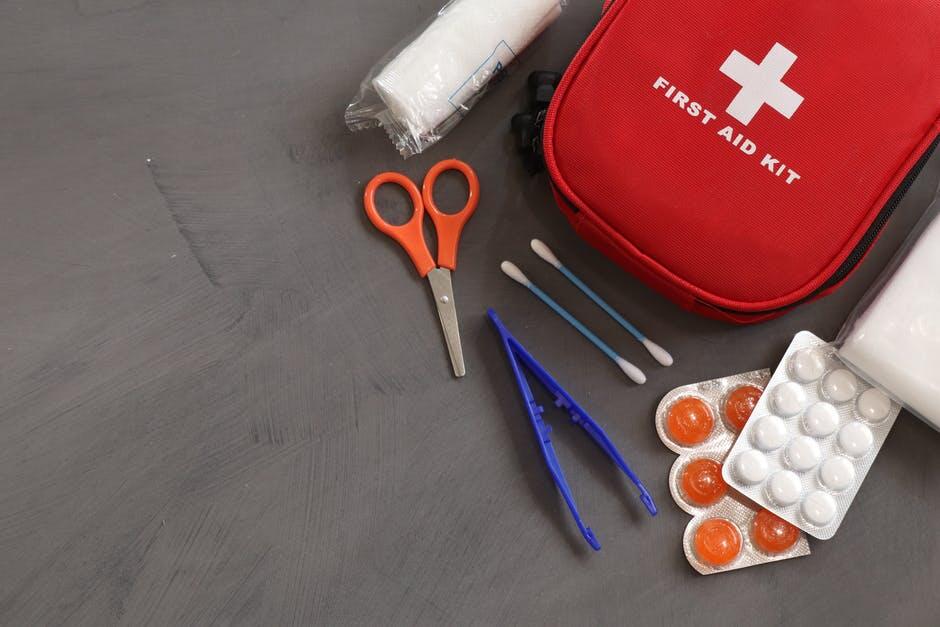
Building a first aid kit helps you stay prepared for emergencies. You should include items like bandages, antiseptics, gloves, and scissors. Having a kit ready saves time when someone gets hurt. It also gives you confidence to act quickly.
Keeping the kit organized is important. Check it regularly to replace used or expired items. This ensures you always have what you need. A well-prepared kit makes first aid easier and more effective.
Learn All About First Aid Skills
Learning all about first aid skills helps you stay prepared for unexpected emergencies. These skills give you the confidence to protect yourself and assist others when every second counts.
Did you enjoy reading this article? If so, then be sure to check out the rest of our blog for more!